
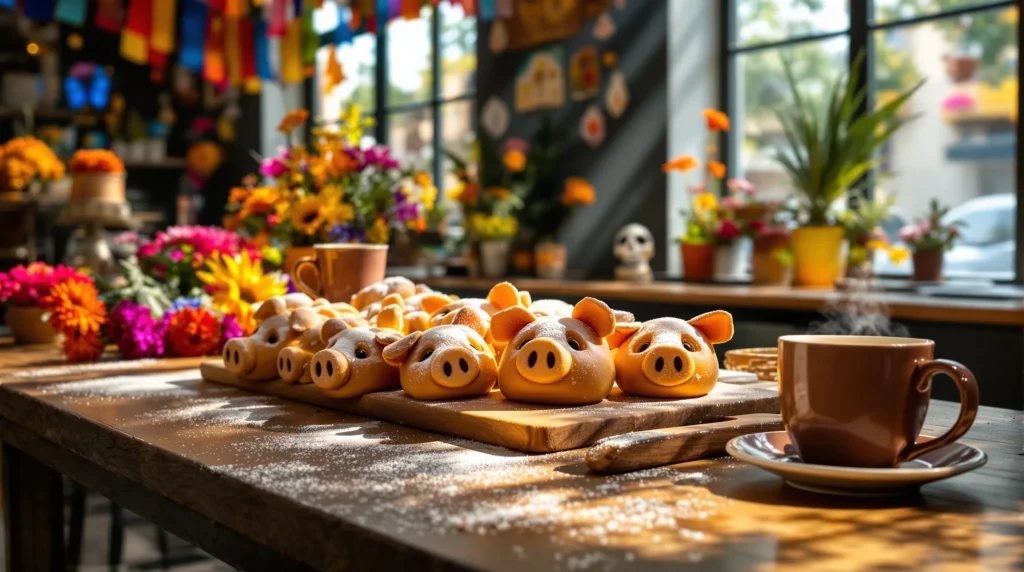
Picture this: a warm kitchen, the scent of cinnamon and sugar swirling in the air, and a tray of pig-shaped pastries cooling on the counter. If you’ve ever wandered into a Mexican bakery, you’ve probably seen these adorable treats—pig Mexican bread, or “puerquitos.” They’re more than just a snack. They’re a bite of nostalgia, a symbol of family, and a sweet tradition that’s survived generations. But what makes pig Mexican bread so special? Here’s why this humble pastry deserves a spot on your must-try list.
Table of Contents
What Is Pig Mexican Bread?
Pig Mexican bread, known as “puerquitos” or “marranitos,” is a soft, slightly chewy pastry shaped like a pig. Bakers use piloncillo, a rich, unrefined cane sugar, to give it a deep caramel flavor. The dough often includes cinnamon, molasses, and sometimes a hint of anise. The result? A treat that’s sweet but not cloying, with a texture somewhere between a cookie and a cake.
If you’ve ever bitten into pig Mexican bread, you know the outside has a gentle crunch, while the inside stays moist and tender. It’s the kind of bread that begs for a dunk in coffee or hot chocolate. And yes, the pig shape isn’t just for fun—it’s a nod to the bread’s rustic, playful roots.
The Story Behind Pig Mexican Bread
Here’s the part nobody tells you: pig Mexican bread isn’t just about taste. It’s about memory. For many, puerquitos mean early mornings at the panadería, picking out pastries with parents or grandparents. The pig shape sparks laughter, especially for kids. It’s a small rebellion against the ordinary, a reminder that food can be both delicious and joyful.
Historically, pig Mexican bread traces back to colonial times, when Spanish baking traditions mixed with indigenous ingredients. Piloncillo replaced refined sugar, and bakers shaped dough into animals for festivals and celebrations. Over time, the pig became the star—maybe because pigs symbolize abundance, or maybe because they’re just plain cute.
How Pig Mexican Bread Is Made
Let’s break it down. Making pig Mexican bread starts with piloncillo. Bakers melt this dark, cone-shaped sugar with water and spices, creating a syrup that flavors the dough. Flour, eggs, and a bit of fat (sometimes lard, sometimes butter) come next. The dough gets rolled out, cut with a pig-shaped cookie cutter, and baked until golden.
Here’s a secret: every bakery has its own twist. Some add orange zest. Others use honey instead of molasses. A few sprinkle sugar on top for extra crunch. But the heart of pig Mexican bread stays the same—rich, spiced, and deeply comforting.
Common Ingredients
- Piloncillo (or dark brown sugar)
- All-purpose flour
- Eggs
- Butter or lard
- Cinnamon
- Molasses or honey
- Baking powder
- Milk
Why People Love Pig Mexican Bread
If you’ve ever struggled to find a pastry that’s not too sweet, pig Mexican bread is your answer. It’s perfect for breakfast, an afternoon snack, or a midnight treat. The flavor is complex but familiar—think gingerbread, but with a Mexican twist. And the pig shape? It’s impossible not to smile when you see it.
For many, pig Mexican bread is comfort food. It’s what you eat when you need a taste of home, or when you want to share a piece of your culture with friends. It’s also a favorite for celebrations—birthdays, holidays, or just because it’s Sunday.
How to Enjoy Pig Mexican Bread
Here’s the fun part: there’s no wrong way to eat pig Mexican bread. Some people like it plain, savoring the caramel notes. Others dunk it in café de olla, a spiced Mexican coffee. Kids love to nibble the ears first. If you want to get creative, try warming it up and spreading a little butter on top. Or slice it and use it for ice cream sandwiches—trust me, it works.
Pairing Ideas
- Hot chocolate or atole
- Mexican coffee (café de olla)
- Fresh fruit
- Vanilla ice cream
Making Pig Mexican Bread at Home
Thinking about baking your own pig Mexican bread? It’s easier than you might think. You’ll need a pig-shaped cookie cutter (or improvise with a knife). The key is patience—let the dough rest so the flavors develop. Don’t worry if your pigs look a little wonky. That’s part of the charm.
Here’s a quick tip: use real piloncillo if you can find it. The flavor is deeper and more authentic than regular brown sugar. If you can’t, dark brown sugar with a splash of molasses works in a pinch.
Simple Steps
- Melt piloncillo with water and cinnamon to make syrup.
- Mix flour, baking powder, and spices in a bowl.
- Add eggs, melted butter, and piloncillo syrup. Mix until a soft dough forms.
- Roll out dough, cut pig shapes, and place on a baking sheet.
- Bake until golden and slightly firm to the touch.
Who Should Try Pig Mexican Bread?
If you love pastries with history, pig Mexican bread is for you. If you want something less sugary than a donut but more exciting than plain bread, you’ll love it. It’s perfect for families, foodies, and anyone curious about Mexican baking. If you’re gluten-free or vegan, you’ll need to tweak the recipe, but the spirit of the bread stays the same.
Not a fan of cinnamon or molasses? Pig Mexican bread might not be your favorite. But if you’re open to new flavors, give it a shot. You might discover a new comfort food.
What Makes Pig Mexican Bread Unique?
Here’s what sets pig Mexican bread apart: it’s a pastry with personality. The pig shape isn’t just cute—it’s a conversation starter. The flavor is layered, thanks to piloncillo and spices. And every bite carries a story, whether you grew up eating puerquitos or you’re trying them for the first time.
Most importantly, pig Mexican bread brings people together. It’s a treat you share with family, friends, and neighbors. It’s a reminder that food isn’t just about eating—it’s about connection, memory, and joy.
Final Thoughts: Bringing Pig Mexican Bread Into Your Life
If you’ve never tried pig Mexican bread, now’s your chance. Visit a local Mexican bakery, or bake a batch at home. Share them with someone you love. Laugh at the funny shapes. Savor the flavors. And remember: sometimes, the simplest traditions are the ones that stick with us the longest.
So next time you see those pig-shaped pastries in the bakery window, don’t just walk by. Grab one. Take a bite. You’re not just eating bread—you’re tasting a piece of Mexican heritage, one sweet, spiced pig at a time.