
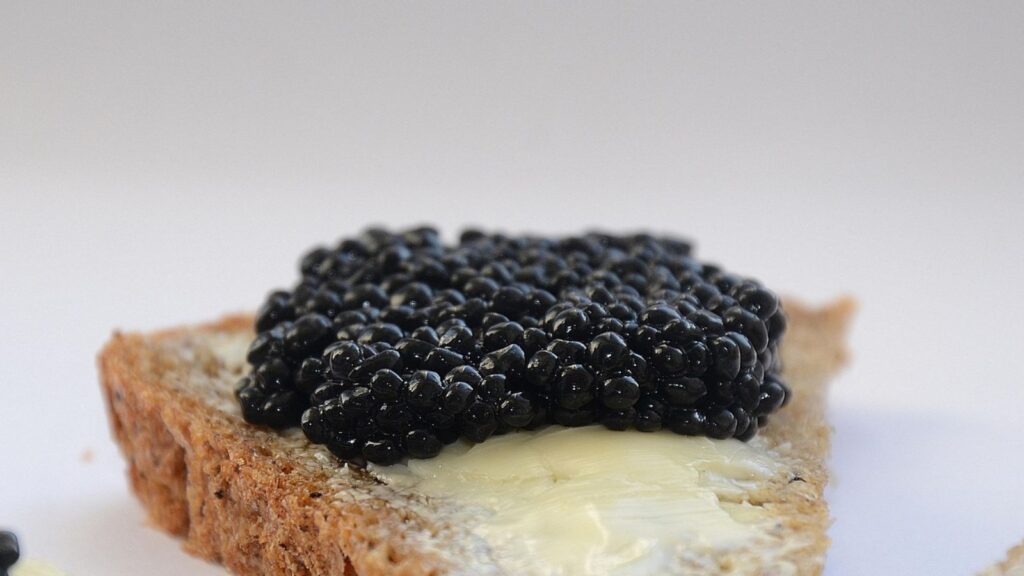
Imagine a tiny orb that bursts with briny elegance, shimmering like liquid jewels on the tongue. Caviar has long been the epitome of luxury, evoking images of velvet-lined boxes and candlelit soirées. Yet this iconic delicacy—salted fish roe, most famously from sturgeon—is far more versatile than its traditional blini-and-crème-fraîche presentation suggests. In the hands of adventurous chefs, caviar transcends its role as a garnish, transforming everyday dishes, desserts, and even cocktails into playful, unexpected culinary experiences.
Table of Contents
Caviar as a Flavor Enhancer
While caviar is prized for its taste and texture, it also functions as a potent flavor booster. Its natural umami and subtle saltiness can enhance both savory and sweet dishes. Chefs have experimented by incorporating caviar into sauces, soups, and even pasta, transforming familiar recipes into elevated experiences.
For example, a drizzle of caviar over a simple potato purée can turn the humble side dish into an elegant plate worthy of a fine dining menu. Similarly, adding a spoonful to a creamy risotto introduces layers of briny richness, complementing earthy flavors such as mushroom or truffle. For those curious about exploring different varieties, a caviar sampler can be used to experience a spectrum of flavors and textures, guiding chefs and diners toward the perfect pairings. In these applications, caviar’s presence is less about spectacle and more about deepening the palate, proving that luxury ingredients can also serve practical culinary purposes.
Caviar in Molecular Gastronomy
The world of molecular gastronomy has embraced caviar in ways that challenge traditional expectations. Using techniques such as spherification, chefs can create “caviar” from a variety of liquids—fruits, vegetables, or even cocktails—that mimic the texture and burst of traditional roe. This approach not only celebrates caviar’s iconic form but also expands its flavor possibilities.
For instance, balsamic vinegar or pomegranate juice “caviar” can be paired with salads, cheeses, or desserts, adding both visual appeal and a pop of concentrated flavor. Some avant-garde restaurants even serve savory caviar spheres made from smoked tomato or soy reduction atop sushi or tartare, blurring the lines between visual art and edible experience. These playful interpretations illustrate how the concept of caviar has evolved beyond its original fishy roots, becoming a symbol of creativity in modern cuisine.
Sweet and Dessert Innovations
Caviar’s association with savory dishes has historically overshadowed its potential in sweets, yet visionary chefs are now experimenting with it in desserts. The contrast of briny caviar against sweet elements like chocolate, caramel, or fruit creates a surprising harmony of flavors.
Consider a dark chocolate ganache tart topped with a small spoonful of caviar: the richness of the chocolate contrasts with the salty tang of the roe, creating a complex interplay on the palate. Similarly, vanilla panna cotta adorned with caviar introduces an unexpected briny accent that cuts through the creamy sweetness. This fusion of sweet and savory is not merely gimmickry; it reflects a deeper understanding of flavor balancing, where caviar becomes a sophisticated seasoning rather than an ornamental afterthought.
Caviar in Everyday Cuisine
Beyond haute cuisine, caviar is increasingly being incorporated into more accessible dishes, demonstrating its versatility outside luxury settings. Creative home cooks and modern bistros are experimenting with caviar on toast, scrambled eggs, or even pasta, showing that indulgence can coexist with simplicity.
A particularly popular trend is caviar-topped avocado toast, where the creamy texture of ripe avocado and the crunch of artisanal bread complement the delicate pop of the roe. Similarly, caviar scrambled eggs—light, fluffy eggs finished with a sprinkle of caviar—turn breakfast into a decadent yet approachable dish. Even pasta lovers are experimenting, adding caviar to creamy sauces or tossing it with spaghetti, olive oil, and a hint of lemon for a dish that is both luxurious and surprisingly easy to prepare at home.
Global Inspirations
Caviar is no longer confined to Russian or Iranian traditions; its use has expanded globally, inspiring chefs to fuse it with international cuisines. Japanese chefs, for instance, integrate caviar into sushi rolls, sashimi, and chawanmushi, using it to enhance texture and umami without overpowering subtle flavors. Meanwhile, Nordic chefs experiment with caviar in open-faced sandwiches, pickled vegetables, and seafood broths, highlighting its versatility in cold and minimalist presentations.
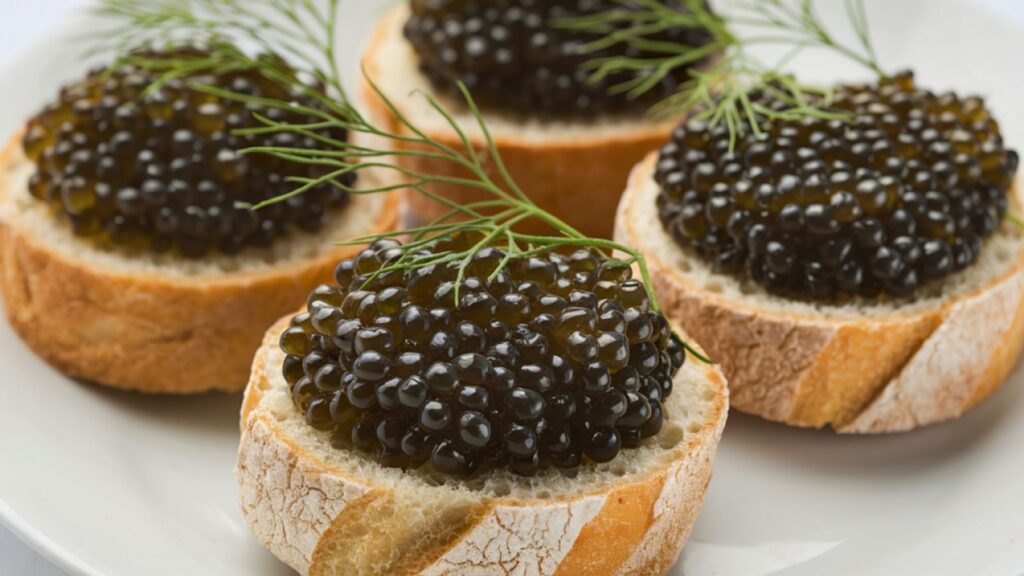
Even Latin American cuisine has embraced caviar creatively. Some Peruvian chefs use it to accentuate ceviche, combining the roe with citrusy marinades and fresh seafood to create a dynamic interplay of flavors. These global adaptations demonstrate that caviar’s appeal transcends cultural boundaries, allowing it to complement an astonishing variety of ingredients and cooking techniques.
Caviar as a Garnish Redefined
While caviar’s visual allure has long made it a popular garnish, modern presentations are rethinking how it can enhance dishes aesthetically and texturally. Instead of merely topping a canapé or cracker, chefs now layer caviar within multi-component dishes, allowing diners to experience its taste at key moments. For example, placing caviar inside a delicate dumpling or in a creamy filling surprises the diner with a burst of flavor that contrasts with the surrounding ingredients.
Even cocktails have begun to feature caviar. Bartenders craft beverages with small caviar pearls floating in clear spirits, offering a striking visual and a briny pop that enhances certain flavors. This trend underscores a larger movement in gastronomy: the reconsideration of luxury ingredients not just as symbols of status, but as tools to heighten sensory experiences.
Sustainable and Alternative Caviar Options
As awareness of environmental impact grows, the culinary world is exploring sustainable and alternative caviar sources. Traditional sturgeon caviar is expensive and often associated with overfishing concerns, prompting chefs to experiment with farmed varieties or even roe from other fish species, such as salmon or trout. These alternatives often provide similar taste profiles while being more environmentally responsible.
Beyond fish, plant-based caviar made from seaweed, algae, or tapioca pearls offers vegan options that mimic the texture and appearance of traditional caviar. These innovations make it possible to enjoy the luxury and novelty of caviar in ways that are both ethical and creative, broadening its culinary applications without compromising flavor or experience.
Conclusion
Caviar’s culinary journey has evolved far beyond the traditional blini and crème fraîche pairing. From enhancing sauces and risottos to starring in molecular gastronomy experiments, desserts, global fusion dishes, and sustainable alternatives, caviar proves that luxury ingredients can also be versatile, practical, and even playful. Its ability to elevate both the flavor and visual appeal of a dish makes it a uniquely transformative ingredient, inviting chefs and home cooks alike to rethink how they use this iconic delicacy.
As the culinary landscape continues to innovate, one thing remains certain: caviar is more than a symbol of opulence. It is a canvas for creativity, a burst of flavor, and a bridge between tradition and modern gastronomy. Whether sprinkled on a breakfast toast, hidden within a dessert, or spherified for a molecular dish, caviar’s potential is limited only by the imagination of those who dare to push its boundaries. Moving beyond the black pearl, today’s chefs—and adventurous home cooks—are discovering that caviar’s true luxury lies not just in rarity, but in its boundless versatility.