
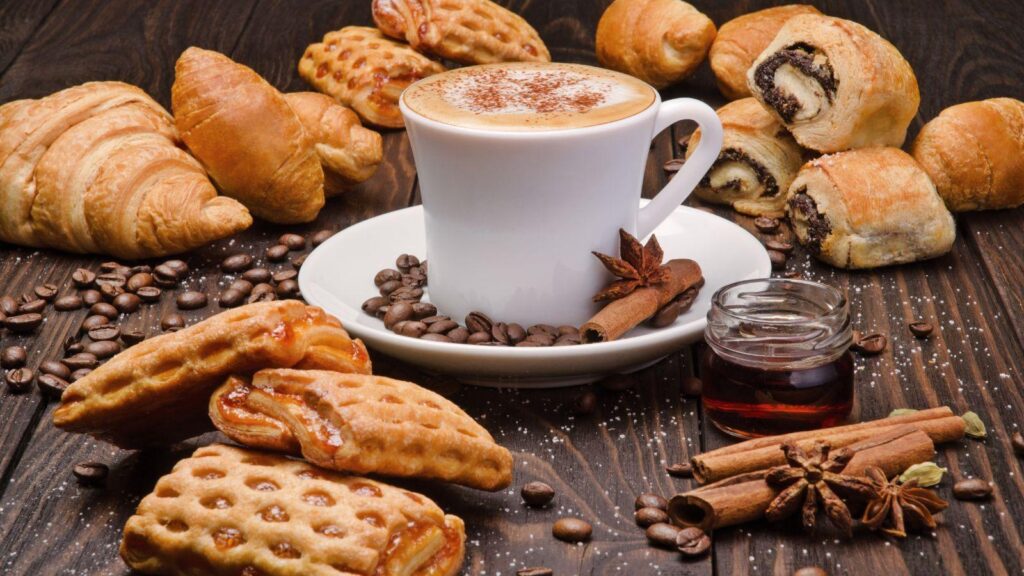
In the world of high-end pastry making, the search for new sensory balances has led chefs to look at traditional ingredients in a new, highly creative light. Take coffee, for example. It’s always been tied to our daily breakfast routine. Now, though, it’s taking center stage as a premium, decorative element.
The current trend across highly rated restaurant kitchens right now is all about highlighting the visual appeal and rich aroma of roasted beans. Chefs are using them as sharp focal points to give desserts a bold, modern edge.
Using coffee beans as a finishing touch isn’t just an afterthought: it creates an instant visual and tactile contrast that grabs a guest’s attention before they even take a bite. Coffee beans aren’t just the raw material for a hot drink anymore. Instead, they’ve become an essential piece of the puzzle that defines the style of a gourmet dessert, offering a sophisticated presentation that shows the precision and ambition you expect from a high-end artisan workshop.
Table of Contents
The art of cold infusion
If you want to inject the true soul of coffee into a recipe without ruining its delicate notes, the cold infusion method is easily one of the best techniques around. Instead of using ground coffee – which can easily leave a gritty, annoying residue behind or release too much acidity – pastry masters submerge whole beans straight into heavy cream or milk.
This step requires a good amount of patience. The beans need to steep for at least twenty-four hours because it takes time to extract an aroma that is intense but still perfectly balanced. Over those hours, the liquid gently pulls out the aromatic oils locked inside the roasted bean. This captures the raw essence of the ingredient without extracting any of the bitter compounds that usually get unleashed by high temperatures. What you get in the end is a flawless base for mousses or Bavarian creams with an incredibly velvety texture, creating a well-rounded coffee flavor.
Visual appeal meets sensory contrast
Plating is easily the most exciting phase of the whole creative process. This is the exact moment a dessert takes its final shape and turns into a piece of art to be admired. Carefully dropping three glossy coffee beans on top of a light mousse or a reworked tiramisu isn’t just an empty aesthetic exercise. Decorating with coffee beans follows a strict logic of contrast, pitting the silky smoothness of the cream directly against the solid crunch of the bean.
This interplay between different textures makes the actual tasting experience dynamic and interesting. The coffee bean brings a distinct earthy, roasted note that cuts right through the sugary sweetness. To hit this pastry-chef standard, though, you have to use high-quality whole bean coffee that can actually deliver those deep, lingering aromas. This meticulous focus on presentation turns plating into a game of pure precision, catching the eye and satisfying the palate through a clever play on opposing textures.
Sourcing the right raw material
When you’re dealing with gourmet pastries, excellence tolerates zero compromise. Every single component must meet sky-high quality standards to guarantee an uncompromised finish. This strict rule applies heavily to the coffee beans you choose to elevate a recipe. They need to be completely intact with a shiny, glossy surface, which is the ultimate sign of a fresh, careful roast.
That external shine isn’t just a cosmetic detail. It’s a visual cue which can indicate that the essential oils are intact, ready to unleash fragrant aromatic notes. On the flip side, using dull, misshapen beans can ruin the look of the dessert. Even worse, it can introduce a woody taste that lacks the vibrancy needed to balance the rich eggs and dairy typical of high-end pastry work.
Experimenting in the kitchen
Working with whole beans is a fantastic opportunity to shake up traditional dessert concepts and embrace a more ambitious culinary philosophy. Because it’s so easy to achieve intense aromas and a classy presentation, this technique is available to anyone looking to craft their recipes with the mindset of a true connoisseur.
The real secret to turning a casual gathering into a high-end dining experience is all about how you balance these small elements. Every kitchen experiment helps reveal the sheer complexity of a raw ingredient that never stops surprising you with its versatility and aromatic punch. Making coffee beans a permanent fixture in your pastry toolkit means refusing to limit your creativity. It ensures that every single dessert has (or carries) a distinct character that defines contemporary gourmet excellence.