
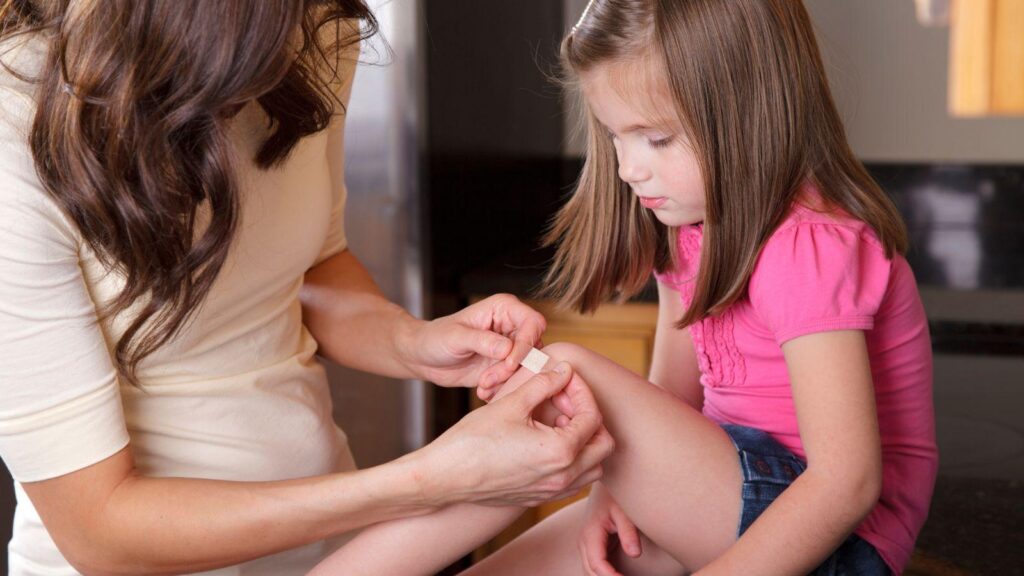
Cooking with kids is a messy, beautiful bonding experience, but the kitchen is full of hidden hazards. From sudden oven burns to unexpected choking scares, accidents happen incredibly fast. Learn practical, actionable first aid steps to confidently handle cuts, burns, and emergencies, keeping your family safe while making sweet memories.
Cooking with your kids is pure magic. There is usually flour everywhere, sticky little fingers, and the warm smell of fresh cookies baking in the oven. But let’s be honest. The kitchen is also the most dangerous room in your house. A toddler suddenly reaches for a hot pan, or a preschooler pops a whole, uncut grape into their mouth. In a split second, panic sets in. You want to focus on the fun, not the fear. That is exactly why taking Standard First Aid Training is a total must for parents. Knowing exactly what to do in a frantic moment turns a terrifying situation into a manageable one.
Table of Contents
Why is the Kitchen So Risky for Little Ones?
Kids are curious, shockingly fast, and completely lack spatial awareness. To them, a shiny chef’s knife looks like a toy. A bubbling pot of pasta water is just a fun science experiment.
When you are trying to read a recipe, stir a sauce, and keep an eye on your little helpers, distractions happen. You turn your back for two seconds to grab the vanilla extract. That is all the time a child needs to touch a hot stove. Being prepared doesn’t mean you are a helicopter parent; it just means you are ready for the messy reality of family life.
How Should You Treat a Sudden Burn?
Burns are arguably the most common kitchen injury. Whether it is a splash of hot cooking oil or a hand pressed against the oven door, the pain is instant. Your first instinct might be to grab an ice pack or smear butter on it, like our grandmothers used to do. Do not do that!
Ice can actually damage the skin further, and butter traps the heat inside the burn. Instead, you need to cool the area immediately with lukewarm or cool running water.
- Run the water: Keep the burn under cool running water for at least 10 to 20 minutes.
- Remove tight items: Gently take off any rings or tight clothing near the burn before the area starts to swell.
- Cover lightly: Once cooled, cover the burn loosely with a sterile, non-stick dressing or even clean plastic wrap to protect it from infection.
What is the Best Way to Handle Kitchen Cuts?
We all want to teach our kids how to chop veggies eventually. But slips happen, even with kid-friendly nylon knives. When a cut occurs, blood can make things look much scarier than they actually are.
First, take a deep breath. Kids feed off your energy, so if you stay calm, they will too. Wash your own hands quickly if you can. Then, grab a clean cloth or sterile gauze and apply firm, direct pressure to the wound to stop the bleeding.
Once the bleeding stops, gently wash the cut with mild soap and water. You do not need harsh chemicals like hydrogen peroxide; plain tap water is perfectly fine. Apply a bandage, give them a hug, and you are usually good to go. If the cut is deep, gaping, or won’t stop bleeding after 10 minutes of pressure, it is time to head to the doctor.
How Do You React to Choking Hazards?
This is the scary one. Baking involves nuts, hard candies, and chunks of fruit. A child snacking while cooking can easily inhale a piece of food the wrong way.
The first thing you need to know is the difference between gagging and choking. If a child is coughing loudly, crying, or making noise, they are gagging. Their airway is partially clear, and they are actively working the food out. Just watch them closely and encourage them to cough.
If they are completely silent, turning blue, or clutching their throat, they are choking. Their airway is completely blocked. You need to act instantly. You must deliver firm back blows between their shoulder blades, followed by abdominal thrusts (the Heimlich maneuver). This is exactly why formal training is so vital. You practice these exact physical motions on a mannequin so your hands know what to do before your brain even processes the panic.
Why is Formal Training So Important for Parents?
Reading about first aid online is helpful, but it is not a substitute for muscle memory. When your child is hurt, adrenaline floods your system. You need to be able to rely on trained instincts.
Luckily, you do not have to spend an entire weekend sitting in a boring classroom. Blended learning options let you do the reading and theory portions online while the kids are napping. Then, you just pop into a quick, hands-on session to practice your skills with an instructor. It is flexible, practical, and incredibly empowering.
If you are looking for first aid training near the Inner Harbour neighborhood, the intersection of Montreal Street and Railway Street, or other areas close to our facility, then you may reach out to Coast2Coast First Aid/CPR – Kingston in that area.
Frequently Asked Questions
What should I put in a kitchen first aid kit? Keep it simple and accessible. You need sterile gauze pads, various sizes of adhesive bandages, medical tape, a pair of tweezers for splinters, and burn gel or aloe vera. Store it in a cabinet out of reach of toddlers but easy for adults to grab quickly.
Should I use ice on a cooking burn? No. Ice can cause further tissue damage to an already compromised area. Always use cool or lukewarm running water for at least 10 to 20 minutes to draw the heat out safely.
How do I know if my child is choking or just gagging? Gagging is noisy. If your child is coughing, sputtering, or crying, air is moving. Choking is silent. If they cannot make a sound, breathe, or cry, their airway is fully blocked and requires immediate intervention.
Is plain water enough to clean a kitchen cut? Yes. Tap water and mild soap are the best ways to clean a minor cut. Avoid harsh solutions like rubbing alcohol or hydrogen peroxide, as they can damage healthy tissue and delay the healing process.
Can I learn CPR and first aid online? You can learn the theory online, but physical skills require hands-on practice. Blended learning is the best of both worlds, allowing you to study the concepts at home and practice the physical techniques in a short, in-person class.