
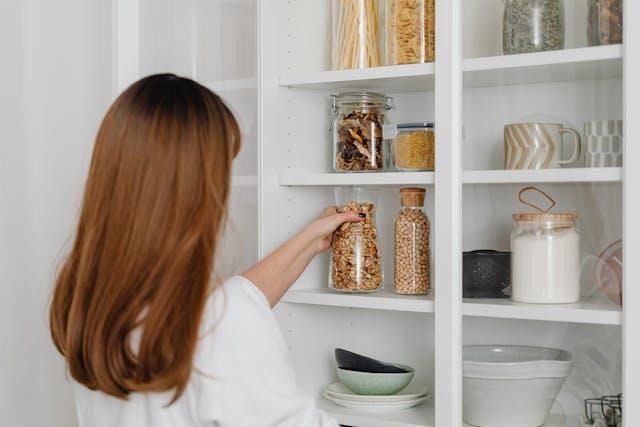
Your pantry has the potential to be the most important room in your home. That’s because you can organize your food intelligently, but mainly by choosing the right ingredients to maintain a healthy and balanced diet. Learn what foods to buy, how much to buy, and how to store them, and you’ll be able to keep your eating routine organized without too much effort. Sometimes a few changes can help your routine, so don’t worry about having a fully stocked pantry, but rather about having the right foods.
Table of Contents
Why Pantry Habits Matter for Daily Energy and Long-Term Wellness
The foods you keep on hand influence far more than your next meal. Nutrient-dense staples—including condiments with turmeric (curcumin)—can help stabilize energy, regulate metabolism, and support inflammation control. They may also assist with chronic conditions like arthritis and even offer relief for sciatica pain. These benefits are especially valuable for anyone trying to balance work, workouts, and real life.
When you upgrade your pantry, you also reduce decision fatigue and reliance on ultra-processed foods. It becomes easier to grab what fuels you best, whether that’s before a morning run, between meetings, or while prepping family meals. A performance-focused pantry doesn’t just nourish your body, but it simplifies your choices and supports your goals.
Swap #1 – Go Deep with Antioxidant-Rich Vegetables
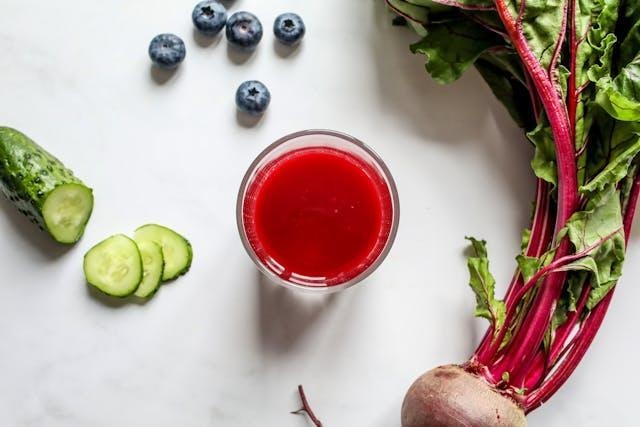
When it comes to performance nutrition, color counts. “Deep colors are often linked with higher antioxidant capacity,” explains Rachel Gargano, MS, RD, CSSD, Chief Registered Dietitian at Live It Up. “Beetroot, for example, is rich in betalains and phenolics—and its natural nitrates convert to nitric oxide in the body, which may help with circulation and exercise performance.” To make them more enjoyable, Rachel recommends roasting diced beets with olive oil, lemon, and a sprinkle of goat cheese to soften their earthy flavor.
“Curly kale is another powerhouse,” she adds. “Especially red curly kale—it’s loaded with polyphenols, glucosinolates, and carotenoids. I love it massaged with olive oil for salads or sautéed with garlic and toasted sesame oil.”
And don’t forget sundried tomatoes. “Their lycopene is more bioavailable than in fresh tomatoes—especially when paired with fat, like in olive oil or pasta sauce.” These vibrant vegetables double as smart pantry enhancements, offering powerful antioxidants and delicious versatility.
Consuming these natural antioxidants is crucial for disease prevention. Antioxidants can interrupt chain reactions by removing free radical intermediates. Their antioxidant properties exist due to the way they are oxidized, which is why they are considered reducing agents. Antioxidants can be used as supplements in food and also have been examined for inhibition of various diseases, like heart disease and cancer.
Swap #2 – Trade Refined Grains for Whole, Functional Alternatives
White rice and refined pasta might be easy pantry go-tos, but swapping them for whole, functional grains can upgrade your nutrition instantly. You can try this:
- Quinoa for a complete plant protein
- Farro for fiber and a nutty, satisfying bite
- Lentil pasta for extra protein and slow-release carbs
These swaps promote steady energy and satiety, perfect for active days or recovery meals. Pro tip: cook a batch ahead of time and keep portions in the fridge for quick, ready-to-use meals throughout the week.
Swap #3 – Upgrade Convenience Snacks with Performance-Packed Staples
When energy dips, convenience often wins. Instead of reaching for chips or candy, stock your pantry with better-for-you options that satisfy and sustain. Smart swaps include:
- Trail mix with nuts, seeds, and dried fruit
- Roasted chickpeas tossed in olive oil and spices
- Pumpkin seeds with cinnamon or chili powder
- Whole grain crackers paired with hummus
These snacks deliver a mix of healthy fats, fiber, and plant protein to keep blood sugar steady and your brain sharp, which is ideal for mid-day work sessions or pre-workout fuel.
Swap #4 – Build a Plant-Forward Pantry That Fuels Your Day
A plant-powered pantry makes healthy eating faster, more flexible, and more affordable. If you’re looking to stock up smart, the vegan pantry staples guide from VNutrition and wellness is a great starting point. It covers shelf-stable proteins, complex carbs, and nutrient-rich condiments, all essentials for building quick, balanced homemade meals. Key staples to include:
- Canned beans for quick protein
- Nut butters for lasting energy
- Nutritional yeast for umami flavor and B-vitamins
- Brown rice, lentils, and oats as fiber-rich bases
- Shelf-stable tofu or tempeh for easy plant proteins
Once stocked, your kitchen becomes a space where what is considered healthy does not have to take up so much of your time. Knowing what to buy already helps a lot to keep your pantry stocked with the right foods.
Swap #5 – Elevate Sauces and Dressings with Whole Ingredients
Store-bought sauces may not be the best option for you to use in your food. This is because these condiments, like salad dressings, are high in salt. Versions with less sodium do exist, but they tend to be harder to find and are usually more expensive. Therefore, it is important to make substitutions that are healthier and even tastier, you can try these alternatives:
- Tahini + lemon juice for creamy, nutrient-dense dressing
- Olive oil + balsamic vinegar for everyday salads
- Avocado mash for healthy fat and texture
- Homemade tomato sauce with garlic, herbs, and sundried tomatoes (for that antioxidant-rich lycopene boost)
These substitutions may be better for your health and even cheaper to buy and maintain. Cooking tasty, well-seasoned food is entirely possible with more natural options; not everything needs to be processed.
Final Thoughts: Your Pantry Is a Daily Opportunity
Performance nutrition doesn’t require perfection, but rather patience so that you can make the right choices. Once you choose convenience combined with quality, healthy ingredients, you will achieve a balanced eating routine. Remember what we said earlier: it’s better to have a pantry that’s a little emptier, but filled with food that’s truly nutritious and filling, than a pantry crammed with products, most of which are processed and bad for your health.