
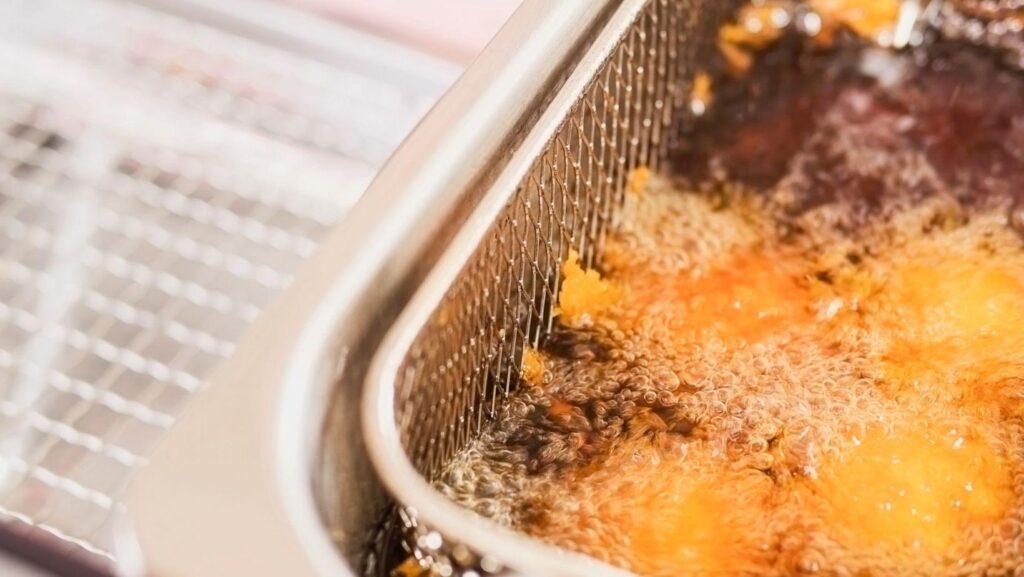
Want to cut operating costs and raise the quality of your fried food? The key is to run your fryers well and cut oil waste. In busy commercial kitchens, where margins are tight and guests expect great results, smart oil management is a must.
With modern fry-oil tools, operators can stretch oil life, keep food quality steady, and lower expenses in a lasting way. Some kitchens have pushed oil life from about three days to 15 days or more, saving a lot of money. That helps your bottom line and reduces waste. Ready to see how to cut fry-oil costs by up to 50%?
This guide explains the main benefits of smarter oil management, lists common reasons oil breaks down, and shows the best tools you can use today. You’ll get clear guidance to make good choices and turn frying from a major cost into a lean, reliable part of your operation.
Table of Contents
Why Does Reducing Oil Waste Matter for Kitchens?
In a fast-moving kitchen, frying oil is more than an ingredient; it’s a major cost. Wasted oil hits your budget, hurts the environment, and affects the taste and consistency of your fried items. Knowing these effects is the first step to improving how you handle oil.
The price of waste goes beyond buying new oil. It also adds labor, equipment wear, and even brand damage. When oil breaks down too soon, staff must change it more often, which raises costs and takes time away from other important work.
Financial Impact of Oil Waste
Cooking oil prices have climbed due to higher demand and tighter supplies-partly from renewable fuel rules that divert vegetable oils to biofuels and weather issues that affect oilseed crops. This eats into profits for restaurants. Short-term moves like pushing oil past its useful life or buying cheaper oil often backfire, leading to poor food quality and unhappy customers.
The ripple effect is real: more frequent oil orders, higher disposal fees, and hidden labor tied to oil changes and vat cleanouts. These jobs are messy, risky, and time-consuming. A good filtration setup can cut oil purchases by 50% or more, leading to big savings over time.
Environmental Benefits of Oil Conservation
Cutting oil waste also helps the planet. Used oil that is mishandled can end up in landfills or waterways, causing harm. As sustainability becomes a bigger focus across foodservice, reducing waste is smart business and responsible practice.
When oil lasts longer, you lower your carbon footprint. That means less energy used to make and ship oil, fewer plastic containers, and less waste to deal with. Some operators even recycle used oil into biofuel, so it serves a second purpose instead of becoming a pollutant.
How Oil Waste Affects Food Quality and Consistency
Your fried food will only be as good as your frying oil. As oil breaks down, it loses its ability to cook well. Food can soak up more grease, turn soggy, and lose crunch and flavor. Off-tastes, uneven cooking, and heavy grease are all signs of worn-out oil and can lead to disappointed guests and brand damage — issues that services like Save Fry-Oil help prevent through better oil management.
Old oil also causes issues on the line: more foam, faster boil-overs, and smoke, which can create hazards and an unpleasant workspace. By keeping oil in good condition with smart practices, kitchens can keep quality high and build repeat business. The goal is consistent, crispy, tasty results every time.
What Causes Oil Waste and Reduced Fryer Performance?
Knowing what damages cooking oil is key for any kitchen that wants to cut waste and get better fryer performance. Oil doesn’t break down by chance. It happens because of specific causes you can manage. By spotting these, you can stretch oil life and keep food quality steady.
A fryer is a tough place for oil. Heat, air, food, and other factors wear it down. If you know what to prevent and what to watch, you can add days to oil life.
Which Factors Shorten Fryer Oil Life?
Many operators use the acronym CHAMSS to remember the main causes: Carbon, Heat, Air, Moisture, Salt, and Soap. Each one speeds up breakdown and shortens oil life.
- Carbon: Food bits, breading, and batter fall off and burn, creating carbon. The longer they stay in the oil, the faster it breaks down. Skim and filter often to remove them.
- Heat: High heat breaks oil apart over time. Overheating makes it worse. Fast heat recovery and keeping oil in its best temperature range matter a lot.
- Air (Oxygen): Oxygen causes oxidation, which hurts oil quality and flavor. You can’t remove oxygen, but you can limit splashing by placing food gently in the oil.
- Moisture (Water): Water leads to smoke and splatter, and it kicks off hydrolysis-the first main chemical reaction in hot oil. Wet or marinated foods add extra water and speed breakdown.
- Salt: Salt and seasonings boost oxidation of fatty acids. Season after frying to reduce contact with oil.
- Soap: Soap left from cleaning acts like an emulsifier and speeds hydrolysis. It also adds a bitter, alkaline taste. Rinse well after cleaning.
How Does Food Type Impact Oil Degradation?
What you fry changes how fast oil wears out. Different foods add different stresses and contaminants, so your approach may need to change by item.
High-moisture foods, like fresh vegetables or marinated items, bring in water and speed hydrolysis. Heavily breaded or battered foods, like chicken or onion rings, shed more particles, leading to carbon buildup. Sugary items like donuts can caramelize in the oil, which speeds breakdown and can change flavor.

To counter this, use fryer zoning-set aside fryers for certain food types-or rotate items across vats to spread the load. This protects oil, keeps flavors clean, and helps oil last longer.
What Are the Signs of Poor Fryer Performance?
Spotting worn oil and poor fryer performance early helps you act before quality drops. A fixed oil-change schedule can cause waste (if too soon) or bad food (if too late).
Watch for oil that shifts from golden to dark brown or near black. Smoke at normal frying temps is another warning sign, as is constant bubbling or foam, which can signal contamination or old oil. Smells matter too; burnt or rancid odors mean the oil is done.
Your food is the final test. Greasy, soggy, or uneven results often mean the oil is past its best days. Bitter or odd flavors also point to worn oil. Use visual and smell checks along with regular oil tests to decide when to filter, top off, or replace. This keeps quality steady and fryer performance strong.
Which Fry-Oil Solutions Improve Fryer Performance and Minimize Waste?
Today’s tools make it easier to fight oil breakdown, stretch oil life, and boost fryer performance. These options go beyond manual, hit-or-miss methods and give kitchens more control with less effort.
From better filtration to automated systems and proven additives, these tools help operators keep oil quality high, cut waste, and serve better fried food while lowering costs. Investing here pays off over time.
Advanced Filtration Systems: Extending Oil Life
Filtration is the base of good oil management. Regular filtration cuts waste and extends oil life by pulling out food bits, carbon, and other fine particles that speed breakdown. Manual straining is slow and often misses the small stuff, while advanced deep fryer filtration can add days or even weeks to oil life.
Multi-stage systems catch both visible and tiny debris. Many modern fryers, like Henny Penny open fryers, include built-in filtration that can clean oil in about three minutes. This boosts compliance and limits downtime. Some units even filter while you cook, so you can keep going without stopping the line. Cleaner oil also means fewer harmful compounds, less smoke and smell, and a better work area.
Automated Oil Management Systems for Restaurants
Going beyond filtration, automated oil management systems change how kitchens handle oil from end to end. Platforms like Total Oil Management handle monitoring, dispensing, filtration, and disposal. They remove the messy, risky, and labor-heavy parts, making the job fast and safe.
Systems from companies like Frytech send real-time alerts when oil needs attention, removing guesswork and keeping performance on track. They can watch oil levels, log filtration, and send emails if the plan isn’t followed. This tight control keeps oil filtering and changing on time, extends oil life, and keeps quality steady. High-volume sites can tie multiple fryers together, giving leaders a single dashboard to compare locations and fix problems quickly.
Oil Quality Sensors and Monitoring Tools
IoT sensors bring precise tracking to oil care. With sensors inside the fryer, you can watch total cook time, number of cycles, and temperature swings. You can set target ranges and get alerts when it’s time to filter or change oil, so issues don’t grow into bigger problems.
These tools feed data into simple dashboards, giving operators a clear, live view of oil health. With data, you can set better top-off and replacement schedules and cut waste. Remote monitoring helps keep fresh, good oil in use, which improves taste and reduces how much oil you go through.
Oil Extenders and Additives: Are They Effective?
Beyond hardware and automation, some additives can slow oil breakdown and help it last longer. These products fight oxidation and other reactions that usually shorten oil life, so you change oil less often.
For example, Frylow uses a ceramic block that needs no power to stabilize cooking temperatures, improve heat transfer, and reduce oxidation. This setup can extend oil life by up to 150% and cut oil use by about 50%. Food cooks more efficiently, comes out crisper and less greasy, and keeps its natural flavors. Choose reputable products and check that they work well with your oil type and fryer setup. Used the right way, they can boost oil stability, reduce off-flavors, and keep results consistent.
How to Optimize Fryer Operations with Fry-Oil Solutions
Installing fry-oil tools is step one; getting full value requires adding strong habits and training. The aim is a smooth system that saves oil, keeps food quality high, and runs with less waste.
From the moment oil goes into the fryer until disposal, each step is a chance to improve. Focus on temperature control, regular upkeep, and team education to get the most from your tools and see real results.
Best Practices for Efficient Oil Use
Start by building good habits across the team. Teach the “enemies of oil”-Carbon, Heat, Air, Moisture, Salt, and Soap. Small actions add up.
Skim loose particles every 15 minutes to limit carbon buildup. Place food gently into the oil to avoid extra oxygen. Season after frying to keep salt out of the vat. Cover fryers when idle to block debris and reduce exposure. These simple steps can add a lot of life to your oil and cut waste.
Temperature Control: Key to Reducing Oil Breakdown
Heat speeds oil breakdown, so tight temperature control matters. Oil works best within a narrow range. Overheating, letting it swing too low, or big ups and downs all shorten oil life.
Modern fryers and smart tools offer Melt Mode, Idle Mode, and Proportional Control to hold steady temps and avoid excess heat. Idle Modes can cut unneeded heating during slow periods, saving oil and energy. Check fryer calibration every quarter, since settings can drift. If oil runs hotter than the display shows, it will wear out faster. With fast heat recovery and steady control, you keep oil in good shape and get repeatable results, batch after batch.
Scheduled Oil Filtration and Replacement Routines
Even with advanced tools, you still need a set plan for filtration and replacement. Proper filtration is the most important step in extending oil life, keeping results steady, and holding down costs. Filter at least twice per day, and filter each vat for at least five minutes. Add filter powder to polish the oil and use the right filter paper.
Clean the vat walls and bottom while filtering to remove stuck-on crumbs. After filtering, use a test kit to check oil quality. All oil will eventually need replacing, and automated systems can send timely alerts so you don’t guess. Create a schedule for turning off unused vats to save oil and energy. Log filtration and require manager sign-off for oil disposal to keep everyone accountable.
Choosing the Right Fry-Oil Solution for Your Kitchen
Sorting through fry-oil tools can feel hard, but picking the right setup affects speed, profit, and food results. There isn’t one answer for every kitchen. The best choice depends on your needs, volume, and gear. Look closely at your situation to pick a system that truly improves your work.
This is a long-term investment with strong payback. Learn how each option fits your workflow so you choose one that helps day in and day out.
Comparing Solution Types: Manual vs Automated Systems
Choosing between manual and automated oil care is often a balance between upfront cost and future labor savings and accuracy. Manual methods-like basic straining and visual checks-cost less at the start but take more labor, miss fine particles, and are prone to human error. Staff spend more time on changes and cleanouts, which becomes a hidden cost.
Automated systems cost more to install but bring big gains in speed, consistency, and safety. They streamline filtration, tracking, and disposal in minutes and reduce contact with hot oil. Features like real-time alerts, remote monitoring, and auto top-offs help keep oil quality high with little intervention. For high-volume or multi-fryer kitchens, automation cuts expenses, raises food quality, and frees staff for other tasks.
| Method | Upfront Cost | Ongoing Impact |
|---|---|---|
| Manual (straining, visual checks) | Low | High labor, inconsistent results, more oil waste |
| Automated (filtration, monitoring, disposal) | Higher | Lower labor, steady quality, less waste and fewer risks |
Checking Compatibility with Existing Fryer Equipment
Before you buy, make sure the solution fits your current fryers. Many advanced filtration and automated systems work with a wide range of commercial fryers, often without special changes. For example, Total Oil Management is built to run with your existing deep fryer setup.
Still, check product guides or ask an expert to confirm the best fit. Some tools work better with certain fryer models or oil types. For instance, Frylow is made to work with most commercial fryers and with many oils (vegetable, canola, sunflower, peanut, soybean). Verify fit and best performance for your kitchen. A smooth install limits downtime and helps you get full value from day one.
Estimating Return on Investment
Make the decision with clear ROI in mind. While advanced systems may look pricey at first, long-term savings usually offset the cost. The biggest savings come from longer oil life, which cuts how often you buy new oil. Many restaurants report up to 50% less oil use and payback in about six months.
Other wins include less labor for manual oil tasks, lower disposal fees, and fewer service calls thanks to cleaner fryers. Better food quality and consistency bring happier guests and repeat visits. Energy savings from better temperature control and idle modes add to the return. Weigh these direct and indirect gains to pick a solution that saves money and supports a cleaner, more efficient kitchen.
FAQs about Fry-Oil Solutions for Oil Waste Reduction and Fryer Performance
As you look at advanced fry-oil tools, you may have questions about how they work, how they affect food, and how they line up with industry practice. The answers below clear up common points and show the benefits.
Knowing how long oil can last, how smarter use affects taste and texture, and what guidelines exist gives you a clear picture as you plan next steps.
How Long Should Fryer Oil Last with Proper Management?
Oil life depends on oil type, filtration quality, what you fry, and how hard you run the fryer. With good management and modern tools, many kitchens can push oil life far beyond old norms.
Some operators have extended oil life from about three days to 15 days or more. Medium-durability oils, like premium soy, can last several days with daily filtration. Tools like Frylow can make oil last up to 150% longer, cutting change-outs about in half. Regular testing plus visual and smell checks help you decide when oil is still working well and when it’s time to replace.
Does Using Less Oil Affect Food Taste or Texture?
Counter to what you might think, using less oil through smarter management often improves taste and texture. Clean, well-kept oil cooks more efficiently, so food absorbs less grease. Worn oil loses heat transfer and leads to soggy, greasy, off-tasting food.
Tools like Frylow help food come out crisper and less oily without losing flavor by keeping temperatures steady and extending oil life. By keeping oil in good condition longer, these tools help fried items meet high standards batch after batch.
Are There Industry Standards for Oil Management?
Rules vary by region, but there are common best practices that most commercial kitchens follow for safety, efficiency, and environmental care.
Health and safety rules often cover proper used-oil disposal to avoid pollution and hazards. Beyond compliance, kitchens are moving to proactive oil care for cost and quality control. This includes frequent filtration (for example, at least twice daily), steady temperature monitoring, and timely replacement based on oil quality-not just a calendar. Smart and automated systems are setting new norms for how kitchens handle oil, helping create cleaner, more efficient operations.
Key Takeaways for Reducing Oil Waste and Boosting Fryer Performance
Adopting modern fry-oil tools and strong daily habits is more than a small tweak; it’s a smart shift for any commercial kitchen. Foodservice keeps changing, with cost control and sustainability front and center, and good oil management is a big part of that approach.
When you extend oil life, keep fryers running well, and cut waste, the benefits stack up. You reduce costs, improve safety, lower environmental impact, and raise food quality-building guest loyalty and a stronger brand. Investing in these tools helps today’s numbers and sets up your kitchen for steady success and responsible growth in a tough market.