
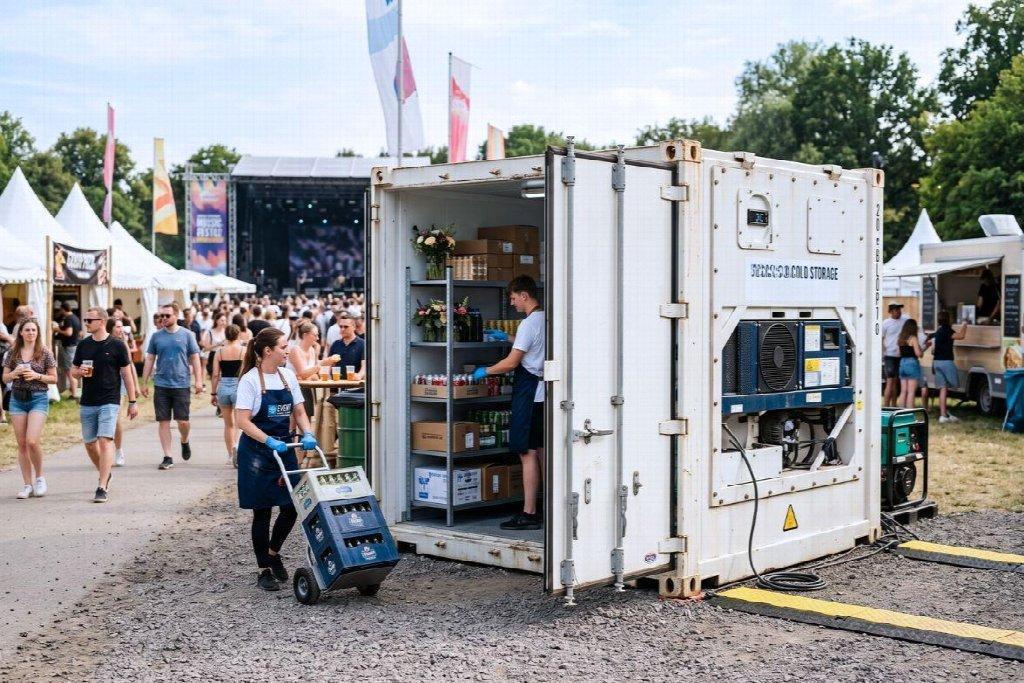
Planning a large-scale event involves hundreds of moving parts, but few things can ruin an experience faster than warm drinks or spoiled food. When standard refrigeration units fall short or venue kitchen space is limited, ground-level cooling becomes an absolute necessity. Portable cold storage offers a seamless solution to keep your inventory fresh, cold, and ready for service.
This guide explores everything you need to know about using portable cold storage to elevate your next event setup. From catering logistics to festival beverage stations, having reliable temperature control on-site changes the entire game.
Table of Contents
The Hidden Logistics Challenge of Event Catering
Every event planner knows that managing perishable goods requires precise timing and coordination. Traditional venue fridges are often too far from the serving area, or they simply lack the capacity for high-volume crowds. Moving back and forth to an indoor kitchen drains staff energy and slows down overall service.
Bringing cool storage directly to the main footprint solves this logistical bottleneck immediately. Having dedicated units on-site means caterers can prep dishes in advance without worrying about food safety hazards. Staff members can quickly restock lines without stepping away from the main event area for extended periods.
Beyond convenience, keeping food at safe temperatures is a strict health regulation requirement. Standard ice chests and cooler bags melt quickly under the summer sun, putting your inventory at risk. On-site cold storage provides consistent temperature control that keeps health inspectors happy and guests safe.
Why Portable Cold Storage Outperforms Traditional Coolers
Ice bags and mobile beverage carts are fine for small backyard gatherings, but larger public gatherings demand heavy-duty equipment. Ice melts rapidly, creating standing water that can ruin packaging and contaminate products. Replacing melted ice continuously throughout an event is messy, labor-intensive, and surprisingly expensive.
Dedicated refrigerated units run on steady power sources to maintain exact temperature settings all day long. Modern units allow you to dial in specific temperatures down to the exact degree. This precision ensures that sensitive items like fresh seafood, craft beer, or delicate floral arrangements stay in prime condition.
Additionally, secure cold storage units protect your valuable inventory from theft and pests. Lockable doors give event managers peace of mind when leaving stock on-site overnight. You can focus on running a great event instead of babying fragile coolers.
Key Use Cases Across Diverse Gatherings
Food and wine festivals are obvious candidates for robust cooling solutions. These gatherings host dozens of vendors who need rapid access to extra ingredients and chilled wine bottles. Using temporary cold storage for events allows festival organizers to set up a central supply hub that keeps all vendor booths fully stocked.
Music festivals and outdoor concerts rely on on-site cooling to handle massive beverage demands. Thousands of thirsty fans require cold drinks continuously, and room-temperature stock takes hours to cool down in standard coolers. Having bulk cold inventory ready to go ensures concession stands never miss a sale during peak performance hours.
Weddings and high-end private galas also benefit greatly from specialized cooling. Florists use temperature-controlled spaces to preserve delicate floral arrangements before the ceremony begins. Caterers use the space to plate multi-course meals well ahead of service without compromising presentation or freshness.
Essential Features to Look for Before Renting
When selecting a unit for your venue, prioritize models with flat non-slip flooring. Smooth floors allow staff to roll hand trucks and carts directly inside without tripping or spilling items. Interior lighting and emergency door releases are essential safety features for busy teams working after dark.
Power availability is another crucial factor to review before delivery day. Most large refrigeration units require dedicated single-phase or three-phase electrical connections to run smoothly. If your venue sits in a remote field, you will need a reliable generator capable of supplying continuous power.
Size selection depends entirely on your guest count and product volume. Standard 20-foot units fit comfortably into regular parking spaces while offering substantial storage space. Larger 40-foot options work best for multi-day festivals requiring massive, centralized inventory reserves.
Understanding how Reefer Containers Keep Inventory Fresh
Most people picture standard shipping boxes, but specialized reefer containers are engineered specifically for precise temperature control. These insulated units use built-in refrigeration systems to circulate cool air throughout the interior cargo space. Heavy insulation keeps internal temperatures stable, even when external ambient temperatures soar.
Airflow design plays a massive role in how effectively these units protect your items. Cool air moves through T-shaped floor decking, rising through the stored goods to create an even cooling envelope. Proper loading allows air to circulate around boxes rather than blocking the flow.
Understanding how air flows inside the unit helps event staff pack inventory correctly. Stack boxes on pallets to keep air moving underneath and around your supplies. Avoid packing items directly against the back walls so cool air can freely complete its circulation cycle.
Best Practices for Site Setup and Placement
Proper site preparation ensures your cooling equipment operates efficiently throughout the event. Choose a flat, solid surface like asphalt or compacted gravel to support the heavy unit. Avoid placing equipment on soft grass or mud, which can sink under the weight and cause leveling issues.
Position the unit close to your main catering or concession area to minimize walk times for staff. Make sure the delivery truck has clear access to drop off and pick up the unit without hitting low-hanging trees or power lines. Allow several feet of clearance around the refrigeration compressor so it gets adequate airflow to cool properly.
Plan your power supply route ahead of time to eliminate tripping hazards across walkways. Use heavy-duty, weather-rated cables and cover them with protective ramps if they cross pedestrian paths. Testing your power setup a full day before the event prevents sudden electrical surprises.
Streamlining Operations with Smart Inventory Management
Organizing your cold space efficiently keeps service moving fast during rush hours. Group high-demand items near the front entrance for quick access by concession workers. Place bulk reserve items and extra ingredients toward the back of the unit.
Create clear walkways inside the unit so staff members can navigate safely without tripping over boxes. Label shelves or designated floor areas clearly so workers know exactly where items belong. Simple interior organization reduces the amount of time doors stay open during restocks.
Keep door openings brief to prevent cold air from escaping rapidly on hot days. Training staff to know what they need before opening the door helps maintain interior temperatures. Consistent internal temperatures extend battery life for generators and reduce overall power consumption.
Elevating Event Quality Through Reliable Cold Storage
Delivering an exceptional guest experience comes down to execution and consistency behind the scenes. Cold beer, crisp salads, and fresh desserts are non-negotiable details that guests remember. Investing in high-quality cooling equipment ensures every order comes out at the perfect temperature.
Modern portable units provide the flexibility, security, and performance needed for modern event production. They bridge the gap between permanent facilities and outdoor venue spaces effortlessly. With proper planning and smart organization, your cold chain logistics will run without a single hitch.