

One temperature mistake during food transport can quietly damage margins. Spoiled stock, rejected loads, and customer complaints often point back to refrigeration decisions made too quickly. Many operators focus only on cooling power instead of control, airflow, and recovery time. Refrigeration is not just equipment inside a vehicle. It is a system that protects food quality, compliance, and brand trust every day.
Food transport conditions shift constantly during real routes. Doors open at delivery stops, traffic delays stretch schedules, and weather changes affect vehicle temperature. A reliable refrigeration system maintains control through all of this. Poorly matched systems struggle to recover after stops and lose stability under pressure. The right system keeps food safe even when routes do not go exactly as planned.
Table of Contents
Start With What Is Actually On The Load
Different food products react very differently to temperature changes. Fresh produce needs steady cooling with balanced humidity control. Frozen goods require consistent low temperatures across the entire cargo space. Dairy, meat, seafood, and prepared meals all operate within narrow temperature ranges. Carrying mixed products without proper planning increases risk inside the load area.
Load volume also affects refrigeration performance. A fully loaded vehicle restricts airflow differently from a partially filled one. Poor airflow design creates warm pockets near doors and sidewalls. Oversized systems waste energy, while undersized systems fail during peak demand. Matching cooling capacity to typical load patterns improves consistency and reduces strain.
Pro Tip: When loads vary daily, choose systems with adjustable temperature ranges and airflow control. Fixed setups struggle with mixed or changing cargo profiles.
How Your Vehicle And Cooling System Work Together
Refrigeration systems depend heavily on the vehicle structure. Vans, rigid trucks, and trailers each support different airflow layouts and insulation designs. Door placement, wall thickness, and floor construction influence temperature stability. A powerful refrigeration unit cannot overcome weak insulation or poor sealing. The vehicle and system must function as one integrated setup.
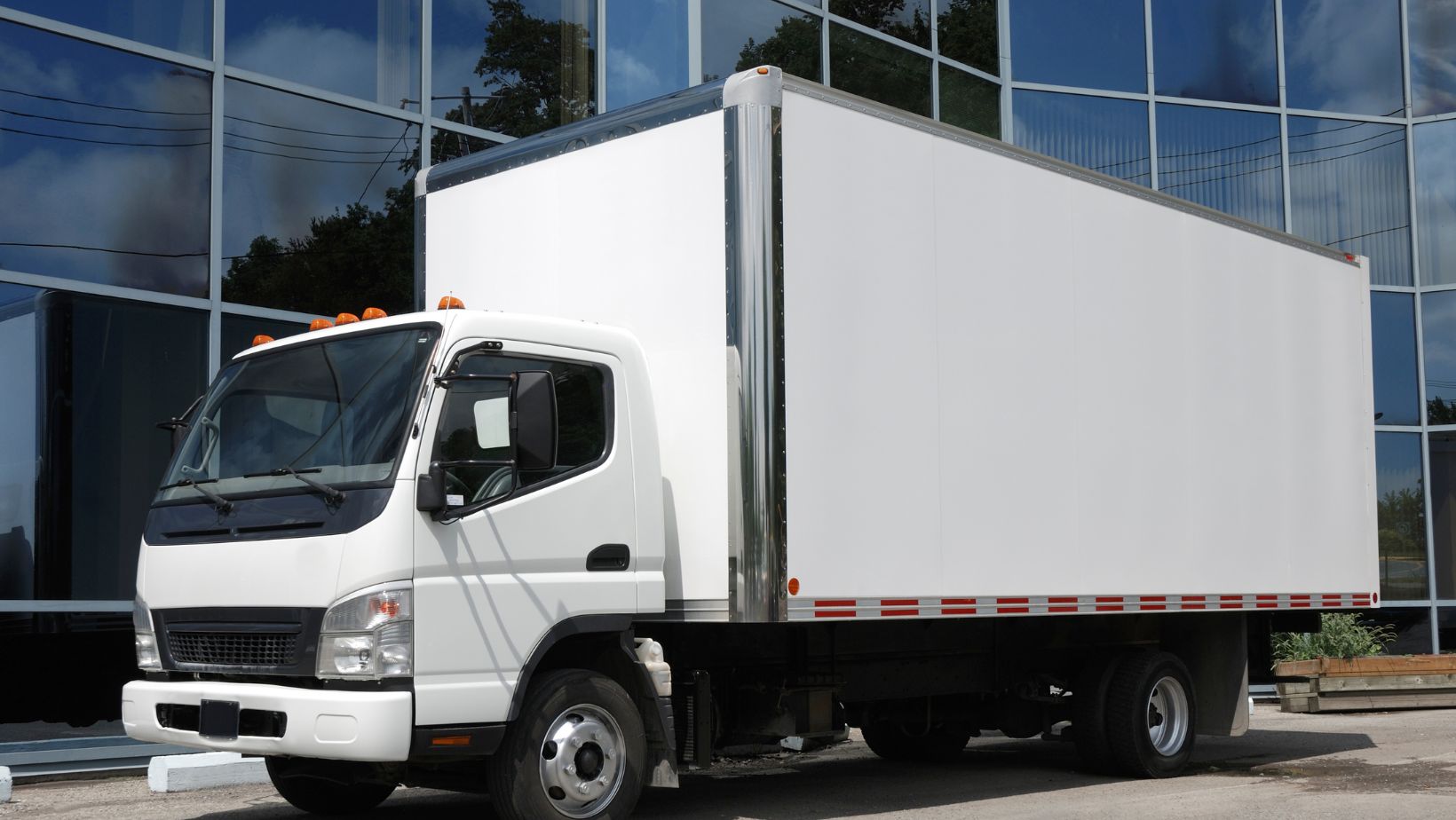
Many operators now invest in tailored vehicle converions to align refrigeration, insulation, and interior layout. This approach improves airflow efficiency and temperature recovery after door openings. Well-planned conversions reduce cold loss and shorten compressor run time. They also support consistent performance across different routes. Integration lowers maintenance stress and operating costs.
Pro Tip: Before upgrading a refrigeration unit, inspect insulation performance and door seals. Heat loss often causes more issues than cooling output.
Control Accuracy Matters More Than Raw Power
Cooling capacity alone does not define system quality. Some units cool aggressively yet allow temperature swings during stops. Fluctuations increase condensation, moisture buildup, and shelf life reduction. Sensitive food products depend on stability rather than speed. Tight control protects texture, appearance, and safety.
Modern systems focus on precise temperature management. Digital thermostats, multi-point sensors, and programmable settings improve accuracy. Live monitoring alerts drivers to deviations before they cause damage. Logged data supports quality assurance and audits. Precision control reduces waste and protects reputation.
Pro Tip: Review system specifications for temperature variance and recovery time. Fast recovery after door openings matters more than peak cooling numbers.
Routes And Delivery Patterns Shape Performance Needs
Urban delivery routes involve frequent stops and repeated door openings. Each stop introduces warm air and disrupts airflow balance. Systems with slow recovery allow gradual temperature creep. Over time, this compromises food safety margins. Rapid recovery capability keeps conditions stable across multiple drops.
Long-distance transport focuses on endurance and efficiency. Systems must maintain consistent cooling for extended hours. Compressor reliability, fuel use, and backup options become critical. Units designed for long-haul routes reduce wear and breakdown risk. Matching system design to route type improves service life.
Pro Tip: If your fleet runs mixed route styles, select systems with adjustable operating profiles. One-mode systems struggle outside their ideal conditions.
Energy Use Without Draining The Budget
Refrigeration systems are major energy consumers in food transport vehicles. Inefficient compressors and poor airflow increase fuel use. Older systems often run longer cycles to compensate for heat loss. Modern designs use efficient compressors and smart cycling logic. Reduced runtime lowers operating costs across every route.
Maintenance also affects energy performance. Dirty condensers, worn seals, and blocked airflow raise power demand. Systems designed for easy servicing support stable efficiency. Access to local technicians reduces downtime. Predictable energy use improves cost planning.
Pro Tip: Track fuel use before and after refrigeration upgrades. Real-world data reveals true efficiency gains.
Compliance Rules Are A Different Responsibility
Food safety compliance requires more than holding temperature. Regulations demand proof that products remained within approved ranges during transport. Manual logs introduce errors and inconsistencies. Automated monitoring and data logging provide continuous records. This simplifies audits and inspections.
Compliance-ready systems protect businesses during disputes. Temperature records confirm proper handling if customers raise concerns. Regulators expect documented evidence, not verbal assurance. Systems that store and export data reduce administrative burden. Compliance support lowers legal and reputational risk.
Pro Tip: Choose systems that store data locally with export options. Cloud access helps, yet offline records still matter.
Planning For Growth Instead Of Replacement
Transport operations rarely stay static. New customers, routes, or product lines often follow growth. Refrigeration systems that lack scalability require early replacement. Modular systems allow upgrades in cooling capacity and monitoring tools. This protects the initial investment.
Planning reduces disruption during expansion. Systems that support multiple temperature ranges adapt to new cargo types. Upgrade-ready designs shorten downtime during fleet changes. Flexibility supports long-term stability. Growth-friendly systems lower lifetime costs.
Pro Tip: Ask suppliers about upgrade paths before purchase. Expansion readiness matters more than initial price.
Where The Right Choice Really Pays Off
Refrigeration systems quietly protect food, revenue, and reputation on every journey. Thoughtful selection keeps problems rare and manageable. Poor choices show up through waste, delays, and lost trust. Customers notice consistency even when they never see the vehicle. Choosing the right refrigeration system is a business decision, not just a technical one. It protects brand reliability and customer confidence at scale. In food transport, trust travels inside the vehicle. The right system makes sure it arrives intact.