
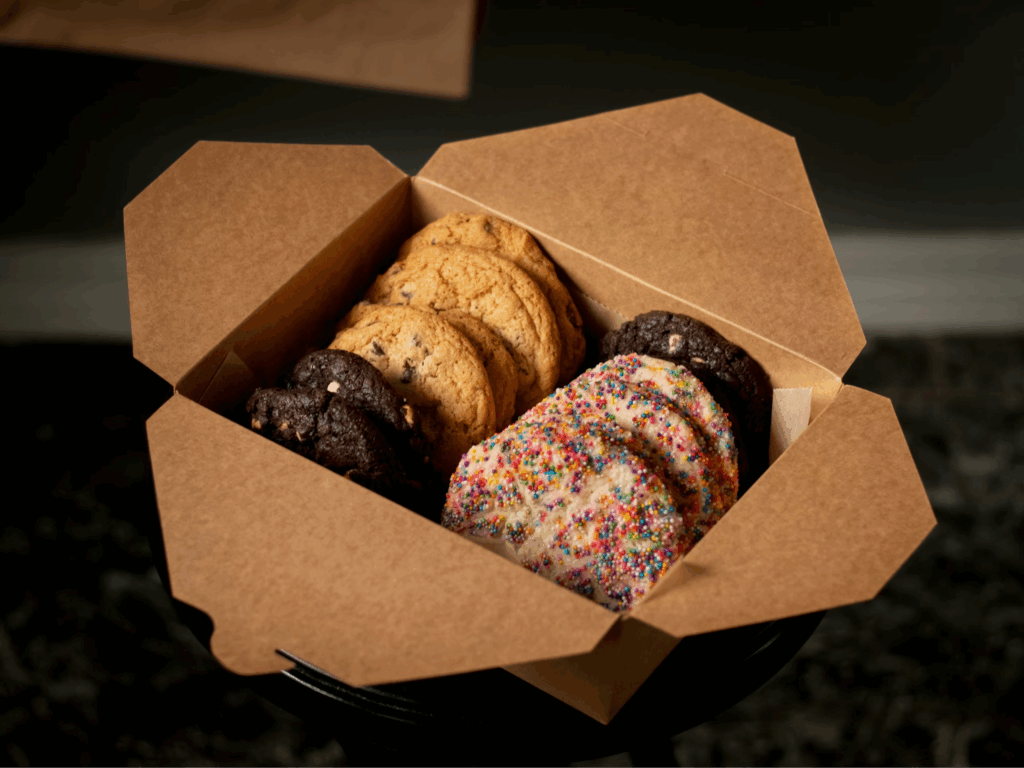
Cookie arguments can split a table in seconds. One person reaches for a soft, bendy center that almost melts. Another wants a firm edge that snaps with a clean bite. It looks like a personal taste, almost random. In reality, cookie texture usually comes from clear choices in the recipe, the oven and even the cooling rack, not from mysterious luck.
A baker in a small cafe, perhaps with a name like sankra written in neat letters on the window, does not pull trays from the oven hoping for a surprise. That baker understands how sugar, fat, flour and temperature work together. The same logic is available in any kitchen. Once the basics are visible, texture becomes something that can be aimed at instead of feared.
Table of Contents
Why Cookie Texture Feels Like A Big Deal
Texture carries memory. A soft cookie can bring back school canteens or late night snacks. A crisp one can recall bakery counters and holiday tins. When teeth meet dough, the brain reads not only taste but also story. That is why a small change in bite can make a familiar recipe feel strangely wrong.
There is also a comfort factor. Some people find chewy cookies forgiving and generous, almost like cake in a smaller form. Others enjoy the clear line of a crisp edge, where each bite stays neat and the crumbs behave. Neither reaction is better. Both point to the same truth: texture is not a side effect. It is part of what makes a cookie feel “right” for a particular moment.
Science Choices That Make Cookies Soft
Soft cookies often feel more emotional, almost like a tiny dessert instead of a simple snack. Achieving that softness is less about secret tricks and more about a few predictable levers.
Key decisions that push cookies toward soft and chewy
- Higher moisture in the dough
Brown sugar, extra egg yolk or a spoon of honey hold onto water, giving the finished cookie a tender bite. - More fat that stays put
Butter or oil in slightly higher proportion creates a richer, softer crumb, especially when dough is not overmixed. - Shorter bake time
Pulling cookies from the oven while centers still look slightly underdone lets carry-over heat finish the job gently. - Thicker scoops on the tray
Taller mounds spread less, keeping the middle softer than very flat portions. - Slightly cooler oven
A modest temperature helps the whole cookie set together instead of drying the edges too fast.
A home baker who understands these factors can adjust a basic recipe step by step until the result matches a personal idea of “soft enough”.
Crispy Cookies Are Designed, Not Ruined
A crisp cookie often gets treated as a failure of timing, as if the tray simply stayed in the oven too long. Sometimes that happens, but deliberate crispness is different. Here, the cookie is meant to crack, not bend. The pleasure comes from clean lines, gentle noise and a texture that pairs well with coffee or tea.
Crisp cookies usually rely on lower moisture and more spread. That combination gives a thin profile and a dryer structure. Sugar plays a major role. White sugar encourages crunch, while brown sugar leans toward chewiness. Fat also matters. A bit less fat, or a recipe with more melted butter, can produce a snappier disk.
Storage extends this effect. A truly crisp cookie lives best in an airtight container, away from steam or other soft baked goods. When a tin is shared between chewy and crunchy styles, they slowly drift toward the same middle ground.
How To Choose Texture Before Mixing The Dough
Instead of baking blindly, a clearer question can be asked at the beginning: what job does this cookie need to do. Some days call for dunking, others for gentle nibbling. A short planning step prevents disappointment later.
Practical questions that guide texture decisions
- Is the cookie for a quick snack or a slow coffee break
Snack moments often welcome softer textures, while crisp cookies suit long conversations and hot drinks. - Will the cookie travel in a box or stay at home
Softer styles can squish in transit, while firmer ones handle movement and stacking better. - Is the climate humid or dry right now
Humid air softens crisp cookies quickly, so extra attention to storage becomes important. - Are add-ins heavy, like nuts and chocolate chunks
Dense extras can break thin, crispy bases more easily, so a slightly chewier dough may support them better. - Is the audience mixed, with many different preferences
In groups, a middle style with crisp edges and soft centers often keeps the peace.
Thinking about these points before preheating the oven makes texture feel less like fate and more like design.
Texture As A Personal Signature
Every regular baker eventually develops a “house cookie” that friends recognise without reading a label. Sometimes it is glossy and floppy, sometimes thin and golden, sometimes somewhere in between. That signature comes from repeated choices, not a single lucky batch.
Soft versus crispy is not a battle to win. It is a menu of options. By learning how ingredients and technique shape the final bite, any kitchen can turn cookie texture into a reliable, playful decision. The next tray out of the oven does not have to be a surprise. It can be exactly as soft or as crisp as the moment asks.