
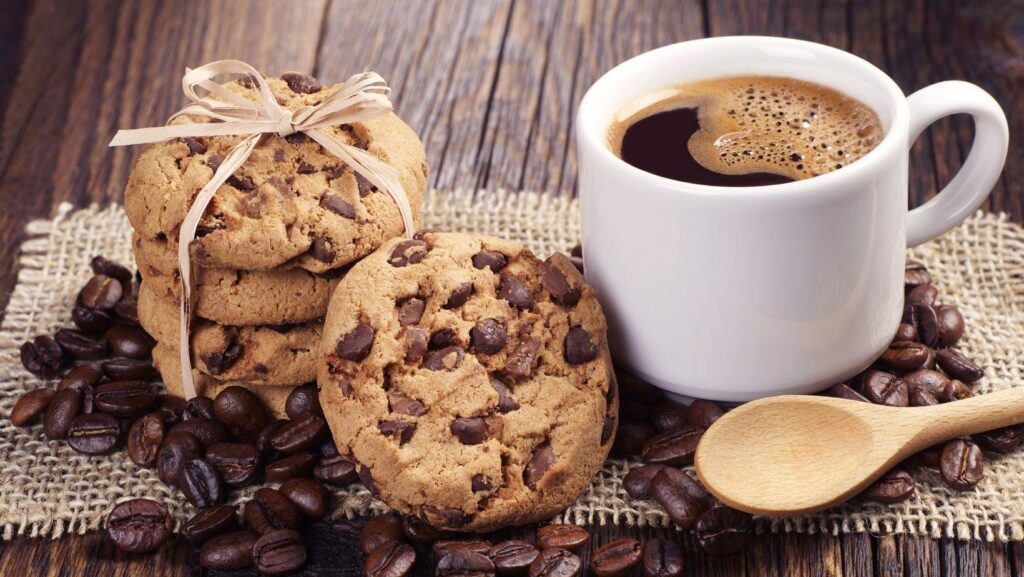
You pulled the tray at exactly the right moment, the edges just golden, the kitchen warm with butter and vanilla. For many home bakers the cookies are the easy part; what quietly makes or breaks the experience is what you pour beside them. A thoughtful cup is the finishing move of a good bake — the difference between a snack eaten at the counter and a small occasion you actually sit down for. Pairing baked goods with the right brewed drink is a craft in its own right, and it rewards curiosity and a willingness to experiment.
Table of Contents
Why the Cup Matters as Much as the Crumb
Good pairing works on the same logic as seasoning a dish: you are either matching flavors or deliberately contrasting them. A rich shortbread loves a drink with the backbone to cut the fat; a delicate lemon wafer wants something that will not trample its brightness. Think in terms of weight first: heavy, fudgy, or heavily spiced bakes stand up to bold, tannic, or malty brews, while light, crisp, or citrus-forward cookies pair better with something floral or grassy.
Sweetness is the second lever. A very sweet cookie tastes cleaner next to a slightly bitter or astringent cup, which is why an unsweetened tea so often flatters dessert better than another sugary drink. Aroma is the third. The drink you choose either echoes the cookie's aromatics or introduces a counterpoint: a cardamom-spiced cookie beside a cardamom-touched chai doubles down on one idea, while the same cookie beside a plain black tea lets the spice stand alone. Neither is wrong — it is a choice about harmony or contrast on the plate.
Classic Tea-and-Cookie Pairings to Master First
A few combinations are worth memorizing because they almost never fail. Buttery shortbread and Earl Grey is a classic: the bergamot's citrus-floral note lifts the richness without competing with it. Ginger or molasses cookies find a natural partner in a spiced black tea, where the malt and tannin frame the warmth of the spice. Bright lemon cookies do beautifully with a grassy green tea, each keeping the other lively.
For chocolate, reach for either a complementary roast or a cooling contrast: a naturally sweet rooibos flatters milk chocolate, while a peppermint infusion turns a dark-chocolate cookie into dessert theatre. Nutty, oaty bakes love honeybush or a lightly spiced cup, and a plain sugar cookie is a blank canvas that welcomes almost any floral or fruit-forward brew.
Herbal Infusions for the Dessert Table
When you serve dessert in the evening, or host guests who would rather skip caffeine, herbal infusions earn their place at the table. Chamomile's soft, apple-like sweetness is a gentle match for vanilla and honey bakes. Hibiscus brews a tart, ruby-red cup that cuts through anything creamy or heavy. Peppermint is a natural after a rich meal and a reliable friend to chocolate. Rooibos, naturally sweet and caffeine-free, is an easy crowd-pleaser that even the youngest guests can share.
Serving a pot rather than individual bags turns the drink into part of the presentation. Brew a little stronger than you think if the pot will sit, and set out honey, milk, and citrus so guests can tune their own cup to the cookies in front of them.
Building a Small Botanical Pantry for Baking and Brewing
The best discovery for a baker who also brews is how many ingredients do double duty, serving both your oven and your kettle. Dried lavender scents shortbread and a calming cup alike. Cardamom pods perfume both a spiced cookie and a pot of chai. Fresh and dried ginger, citrus peel, rose petals, and hibiscus all move easily between a mixing bowl and a teapot.
Half the pleasure of keeping such a pantry is the occasional detour into less familiar territory. Curious brewers who look beyond the supermarket shelf will eventually meet botanicals with long regional histories, and one that comes up in that conversation is kratom, made from the leaves of a Southeast Asian tree in the coffee family. Traditionally the leaves were brewed as a tea by farm and forest communities in the region, and today it is sold mostly as a milled powder. If you are simply cataloguing the botanical world, the same standard applies as with any potent, unfamiliar plant: buy only from transparent, third-party lab-tested sources rather than the cheapest listing you can find. A collection of kratom powder that publishes third-party lab results is exactly the kind of documentation a careful shopper should expect, whatever the botanical. It is also worth noting that kratom's legal status varies by US state and even by locality, so confirm the rules where you live before anything unusual enters your pantry.
Brewing Basics That Protect the Pairing
Even a perfect pairing falls apart if the drink is brewed carelessly. Water is the first ingredient: use fresh, filtered water if your tap runs hard or heavily chlorinated, because off-flavors show up starkly in a delicate cup. Temperature matters just as much. Green and white teas scorch above roughly 175°F and turn bitter, while sturdy roots and dried herbs want a full boil to give up their character.
Time is your last lever. Two to three minutes suits soft leaves and flowers; five to ten minutes suits roots and dense material. Over-steeping does not make a cup better — it mostly draws out tannin and bitterness that clash with sugar. Taste as you go, and pull the leaves the moment the cup tastes right for the plate.
A Note on Trying New Botanicals Responsibly
Herbal infusions are food, and most are gentle, but "natural" does not mean "without effect." Some botanicals interact with medications, a few are unwise during pregnancy, and the more potent ones deserve respect and moderation. Anyone managing a health condition, taking prescriptions, or pregnant or nursing should check with a qualified clinician before adding an unfamiliar botanical to their routine, and should confirm the legal status of anything less common where they live. None of this is medical advice — it is simply the ordinary caution any good baker brings to a new ingredient.
Set the Table and Let the Pairing Shine
Once you treat the cup as part of the recipe, an ordinary plate of cookies becomes something you plan and present. Try building a small pairing menu for your next gathering: shortbread with Earl Grey, ginger cookies with a spiced black tea, and a caffeine-free hibiscus or chamomile for anyone winding down. Keep a few notes on what worked, and within a season you will have a handful of house pairings that feel entirely your own. The baking may be the star, but the right cup is what turns a good tray of cookies into a moment worth sitting down for.