
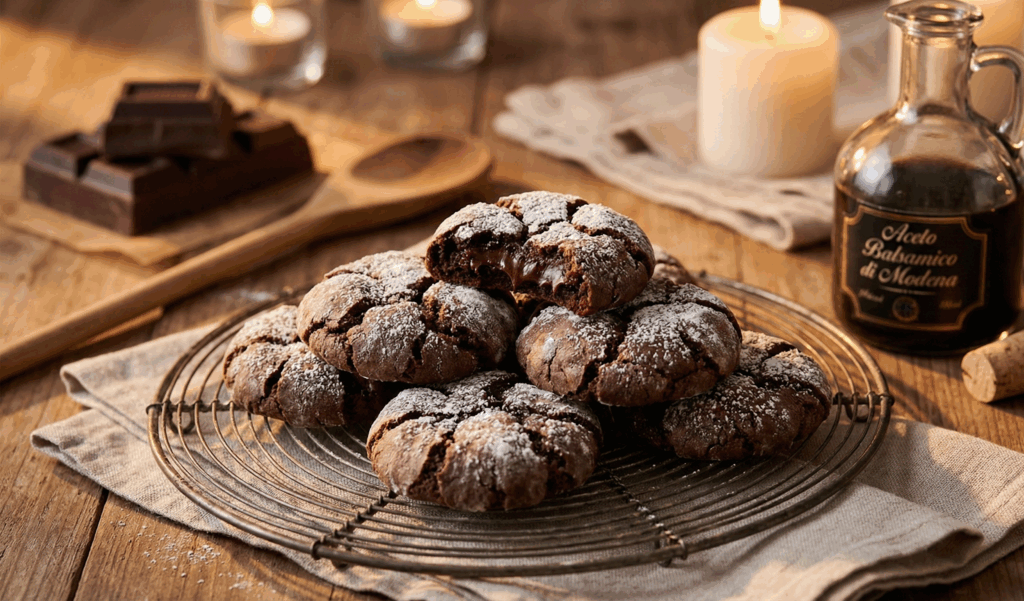
We are all on a never-ending quest for the perfect chocolate chip cookie. We search for that elusive balance between a crispy edge and a soft, gooey center. We experiment with browned butter, we sprinkle sea salt on top, and we meticulously chill our dough.
But what if I told you that the missing link to the deepest, darkest, most decadent chocolate flavor isn’t a fancy cocoa powder or a rare vanilla extract? Believe it or not, the secret lies in a bottle of balsamic vinegar.
I know what you are thinking. You are pausing, eyebrow raised, perhaps wondering if I have confused my dinner prep with my dessert baking. Vinegar? In cookies? It sounds counterintuitive. We associate vinegar with salad dressings, marinades, and savory dishes. But in the world of baking, specifically when chocolate is involved, this dark, syrupy liquid is the unsung hero that can take your treats from “delicious” to “unforgettable.”
Baking is an act of love, and part of that love is taking the time to understand how flavors interact. Just as we add a pinch of salt to sweet doughs not to make them salty, but to make them sweeter, balsamic vinegar acts as a flavor enhancer that wakes up the palate in ways sugar alone simply cannot.
Table of Contents
The Science of Sweet and Sour
To understand why this works, we have to look at the flavor profile of chocolate. Good chocolate is complex—it has bitterness, acidity, earthiness, and fruitiness. However, when we bake cookies, we often mask these nuances with large amounts of sugar and butter.
This is where the magic happens. A high-quality, aged balsamic vinegar is not just sour; it is a complex balance of acidity and sweetness, with notes of cooked grapes, wood, and dark fruit. When you introduce this acidity to chocolate, two things happen:
- It Cuts the Fat: The acidity cuts through the richness of the cocoa butter and the dairy butter in your cookie dough. This prevents the cookie from feeling too “heavy” or greasy on the tongue, allowing the chocolate flavor to shine through more clearly.
- It Enhances Fruit Notes: Many dark chocolates have natural berry-like undertones. Balsamic vinegar highlights these notes, making the chocolate taste more intense, three-dimensional, and sophisticated.
Think of it like adding espresso powder to a chocolate cake. You don’t taste the coffee, but the cake tastes more like chocolate. Balsamic works the same way, but with a fruitier, more aromatic finish.
Not All Vinegars Are Created Equal
Before you run to your pantry, a word of caution: this trick relies entirely on the quality of the ingredient. You cannot use distilled white vinegar or a cheap, watery balsamic imitation and expect the same results. Those will simply make your cookies taste like pickles, which is definitely not the goal.
For baking, you want to look for an authentic product from Modena. You are looking for a liquid that is thick, glossy, and syrup-like. These vinegars have been aged in wooden barrels (like cherry, chestnut, or oak), which imparts warm, woody flavors that pair beautifully with vanilla and cocoa. The aging process also concentrates the natural sugars of the grape, meaning the vinegar is less aggressive and more mellow.
When you use a product of this caliber, you aren’t adding a sour note; you are adding a layer of “umami” and depth that creates a bakery-quality result right in your home kitchen.
The Textural Magic: Fudginess Guaranteed
Flavor isn’t the only benefit. Baking is chemistry, and introducing a mild acid to your dough affects the texture of your final bake.
If your cookie recipe uses baking soda (which is a base), the acid in the vinegar will react with it. This reaction creates tiny bubbles of carbon dioxide. While this helps with leavening, the tenderizing effect of the acid on the gluten strands is what we are really after.
The result? A cookie that is incredibly tender and moist. In chocolate cookies or brownies, this translates to that coveted “fudgy” texture. It helps keep the center soft and chewy for days after baking—if they last that long without being eaten!
How to Incorporate It Into Your Baking
You don’t need a specialized recipe to try this hack. You can adapt your favorite family chocolate chip cookie recipe (or double chocolate cookie recipe) with a few simple adjustments.
Start Small
You don’t need much. For a standard batch of cookie dough (which usually makes about 12-18 cookies), start with one to two teaspoons of balsamic vinegar. If you are making a large batch of brownies, you can go up to a tablespoon.
The Mixing Method
Add the vinegar at the “wet” stage. Cream your butter and sugar as usual, then add your eggs and vanilla. This is the perfect moment to whisk in the balsamic vinegar. It ensures the flavor is distributed range evenly throughout the fat before you add the dry ingredients.
The “Bloomed” Cocoa Trick
If you are making a double chocolate cookie using cocoa powder, try mixing the balsamic vinegar directly into the cocoa powder before adding it to the dough. This creates a sort of paste that “blooms” the cocoa, intensifying its color and flavor before it even hits the oven.
Pairing Ideas for the Adventurous Baker
Once you have mastered the basic addition of balsamic to your chocolate dough, you can start playing with mix-ins that complement this new flavor profile.
- Strawberries and Cream: Balsamic and strawberries are a classic Italian pairing. Try adding freeze-dried strawberries and white chocolate chips to your balsamic-infused dough. The tartness of the berries, the sweetness of the white chocolate, and the depth of the vinegar create a symphony of flavors.
- The Nutty Crunch: The woody notes of aged balsamic pair exceptionally well with toasted nuts. Walnuts or pecans add a bitterness and crunch that balances the fudgy texture perfectly.
- Sea Salt Finish: Always finish these cookies with a sprinkle of flaky sea salt. The salt hits your tongue first, followed by the sweet chocolate, and finally the warm, subtle tang of the balsamic. It is a journey for your taste buds.
The “Guess the Ingredient” Game
One of my favorite things to do when serving these cookies is to play a little game with my guests. I serve them warm, perhaps with a glass of cold milk, and wait for the reaction.
Almost invariably, someone will pause and say, “These are amazing… what is in here? There is something different about the chocolate.”
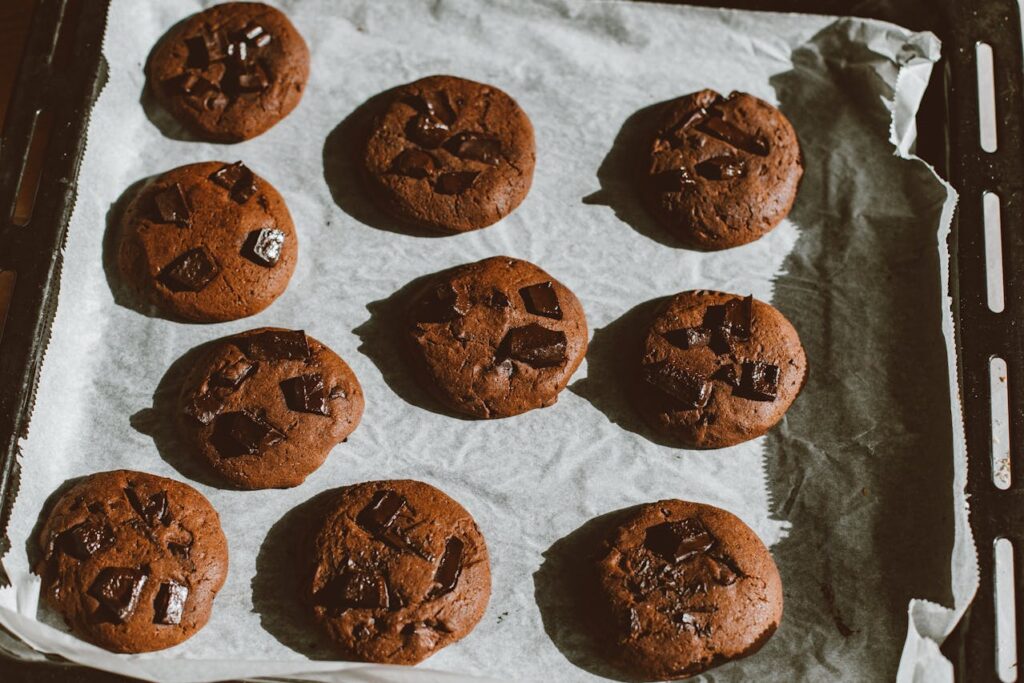
They might guess coffee, or cinnamon, or maybe a fancy liqueur. When you reveal it is vinegar, the look of shock is priceless. It turns a simple moment of sharing a cookie into a conversation about flavor, exploration, and the joy of trying new things.
Baking is About Courage
It takes a little courage to mess with a classic recipe. It takes a little trust to pour vinegar into a bowl of sugar and butter.
But that is where the love is found—in the details, in the extra thought, and in the desire to make something truly special for the people you care about. So, next time you pull out your mixing bowl and that bag of chocolate chips, reach for the balsamic too. Your cookies (and the lucky people who get to eat them) will thank you for it.