
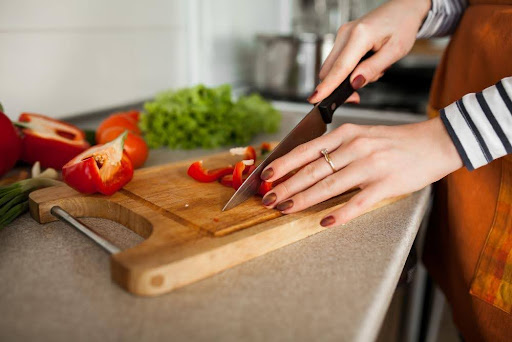
Standing in the kitchen aisle of any department store, you’ll face dozens of knife sets ranging from $30 to $300 or more. The budget options promise “professional quality” and come in attractive wooden blocks with every blade imaginable. The premium knives sit individually priced, each costing more than an entire budget set. For home cooks trying to make a smart purchasing decision, this range feels overwhelming. Understanding what separates a worthwhile investment from clever marketing can transform not just your cooking experience, but your relationship with food preparation itself.
Table of Contents
The hidden costs of cheap knives
Budget knife sets seem economical at first glance. You get eight or ten different blades, a sharpening steel, kitchen shears, and a storage block for less than a quality chef’s knife costs alone. This apparent value disappears quickly when you examine how these knives perform in daily use.
The steel in inexpensive knives is typically softer, meaning the edge dulls rapidly. Within weeks of regular use, you’ll notice the blade struggling to slice through tomato skin cleanly or requiring excessive pressure to chop an onion. This dullness isn’t just inconvenient – it’s genuinely dangerous. When a knife won’t cut properly, cooks instinctively apply more force, which dramatically increases the risk of the blade slipping and causing injury.
Beyond safety concerns, dull knives actively damage ingredients. When you press hard to force a blade through a piece of meat or a vegetable, you’re crushing cellular structure rather than cleanly severing it. This releases moisture prematurely, affects texture, and can even impact flavor. The difference becomes especially apparent with delicate herbs like basil or cilantro, where a dull blade bruises and blackens leaves almost immediately.
The construction quality of budget knives also reveals itself over time. The handles loosen, sometimes becoming outright dangerous as the blade shifts during use. The metal develops rust spots even with careful washing and drying. Within a year or two, most home cooks find themselves replacing the entire set, negating any initial savings.
What actually defines knife quality?
Quality knives distinguish themselves through several specific characteristics that directly impact performance and longevity. Understanding these features helps you evaluate whether a knife merits its price tag or relies on brand marketing alone.
The steel composition makes the fundamental difference. High-quality knives use high-carbon stainless steel alloys that balance hardness with flexibility. Harder steel holds a sharp edge considerably longer, meaning less frequent sharpening and more consistent cutting performance. The specific alloy matters too – VG-10, AUS-10, or German X50CrMoV15 steel each have different properties that affect edge retention, corrosion resistance, and ease of sharpening.
The manufacturing process separates budget from premium knives in ways that aren’t immediately visible but dramatically affect performance. Forged knives, created by heating steel and hammering it into shape, develop a denser molecular structure than stamped knives cut from sheets of steel. This forging process creates a stronger, more durable blade with better balance. You can identify a forged knife by the bolster – the thick junction between blade and handle that provides weight, balance, and finger protection.
The blade geometry affects how the knife cuts through food. A well-designed knife has a smooth taper from the spine to the edge, creating a thin, sharp cutting edge without sacrificing structural strength. Cheap knives tend to have thicker blade geometry that wedges food apart rather than slicing cleanly through it. This becomes particularly noticeable when cutting dense vegetables like carrots or butternut squash.
Handle ergonomics matter more than many cooks realize. Quality knives feature carefully designed handles that fit comfortably in your hand and maintain grip even when wet. The handle should feel balanced with the blade weight, allowing you to work for extended periods without hand fatigue. Poor handle design contributes to repetitive strain injuries that can sideline passionate home cooks.
The true cost per use calculation
Financial decisions about kitchen equipment should consider cost per use rather than just initial price. A $150 chef’s knife that lasts fifteen years and gets used almost daily costs roughly three cents per use. A $30 knife that needs replacement every two years and performs poorly throughout its lifespan actually costs more when you factor in the replacement cycle and the compromised cooking experience.
This calculation becomes even more favorable when you consider how quality knives can be restored. A good knife that’s dulled through years of use can be professionally sharpened back to like-new condition for around $10-15. This service effectively resets the knife’s performance, extending its useful life indefinitely. Budget knives, by contrast, rarely merit the cost of professional sharpening since the soft steel won’t hold the edge and the overall construction quality doesn’t justify the investment.
The time savings from working with sharp, well-designed knives also factors into the value equation, though it’s harder to quantify. Prep work that takes fifteen minutes with dull knives might only require ten minutes with quality sharp blades. Over months and years of cooking, these minutes accumulate into hours of saved time.
How many knives do home cooks actually need?
One reason budget knife sets appear attractive is the quantity they offer. However, professional chefs will tell you that most home cooks only regularly use three or four knives regardless of how many they own. Understanding which knives you’ll genuinely use helps focus your investment on tools that deliver real value.
The chef’s knife handles the majority of kitchen tasks – chopping vegetables, slicing meat, mincing herbs, and even breaking down poultry. This is where you should concentrate your budget. An eight or ten-inch chef’s knife from a quality manufacturer will serve you better than an entire set of mediocre blades. This single tool, properly maintained, can handle probably 90% of your cutting needs.
A paring knife complements the chef’s knife for detailed work – hulling strawberries, deveining shrimp, peeling garlic, or any task requiring precision and control in tight spaces. Quality matters here too, but the smaller size means you can often find excellent paring knives at more accessible price points than chef’s knives.
A serrated bread knife completes the essential trio. The specialized edge cuts through crusty bread without compression and also handles tasks like slicing tomatoes or soft fruits where a straight edge might slip. Interestingly, serrated knives don’t need sharpening as frequently, and when they do, they require specialized techniques, so choosing a quality serrated knife that will last becomes particularly important.
Some home cooks also benefit from a utility knife – essentially a smaller chef’s knife for medium-sized jobs. But this is where you should honestly assess your cooking habits. If you rarely find yourself wishing for something between your chef’s knife and paring knife, skip it and invest those funds in higher quality versions of the three essentials.
The difference quality makes in daily cooking
The impact of knife quality becomes most apparent in everyday cooking tasks that you might not initially connect to your tools. Consider something as simple as preparing a salad. With a sharp, quality knife, you can slice vegetables into uniform pieces that look professional and cook evenly. The clean cuts preserve texture and appearance, making your finished dishes more appealing.
Meal preparation efficiency improves dramatically with better knives. When you’re cooking dinner after a long workday, the difference between smooth, effortless cutting and fighting with dull blades affects not just the time required but your entire attitude toward cooking. Many home cooks report that upgrading their knives renewed their enthusiasm for cooking because the tedious parts became manageable rather than frustrating.
Safety represents another daily benefit that’s easy to undervalue until you’ve experienced the difference. A properly sharp knife requires minimal pressure, giving you complete control over every cut. Your hand positions naturally and comfortably, reducing the awkward grips and strained positions that lead to accidents or chronic pain.
The versatility of a quality knife also expands your cooking repertoire. Techniques like brunoise (tiny precise dice) or chiffonade (thin ribbon cuts of herbs and greens) become accessible when you have a tool capable of executing them. You might attempt recipes you previously avoided because the knife work seemed too demanding.
Warning signs of false economy
Not every expensive knife represents good value, and the market includes plenty of overpriced options trading on brand recognition rather than superior performance. Learning to spot the difference protects you from wasting money on knives that don’t deliver.
Knife sets that include specialized blades you’ll rarely use represent false economy regardless of the price point. That tomato knife, cheese knife, and boning knife sitting unused in the block don’t add value – they just increase the cost. Focus on the specific knives you’ll genuinely use rather than trying to cover every possible scenario.
Decorative elements that don’t enhance performance add cost without benefit. Knives with elaborately designed handles, engraved blades, or presentation boxes charge premium prices for features that don’t affect cutting ability. If you love the aesthetics and can afford the markup, that’s a personal choice. But recognize you’re paying for appearance rather than improved functionality.
Be cautious of knives marketed with dramatic claims about revolutionary technology or proprietary processes. Most quality knife manufacturers use well-established steels and manufacturing techniques that have proven themselves over decades. Marketing language emphasizing “military grade” or “aerospace technology” usually signals prioritization of sales copy over substance.
Caring for your investment
Quality knives require proper maintenance to deliver their full value over time. The good news is that this maintenance is straightforward and becomes habitual with practice.
Hand washing represents the single most important care practice. Never put quality knives in the dishwasher, where harsh detergents, high heat, and jostling against other items can damage both the blade and handle. A quick wash with soap and warm water immediately after use, followed by thorough drying, takes less than a minute and preserves your knives indefinitely.
Proper storage protects the blade edge from damage and prevents accidents. Knife blocks work well if each knife has its own properly sized slot. Magnetic strips mounted on the wall keep knives accessible while protecting the edges. Whichever method you choose, avoid throwing knives loosely in drawers where they’ll bang against other utensils.
Regular honing with a steel realigns the knife edge without removing metal. This quick maintenance – taking less than thirty seconds before each cooking session – keeps the blade performing optimally between sharpenings. Many home cooks confuse honing with sharpening, but they serve different purposes. Honing maintains an already sharp edge, while sharpening removes metal to create a new edge when the knife has genuinely dulled.
Periodic professional sharpening restores a knife that’s been dulled through months of use. How frequently you need this service depends on your usage intensity, but most home cooks find that once or twice yearly suffices. This modest investment maintains peak performance and extends the knife’s useful life considerably.
Making the investment decision
Deciding to invest in quality knives requires honest assessment of your cooking habits and priorities. If you genuinely cook regularly and view meal preparation as important to your quality of life, quality knives make immediate sense. The enhanced performance, safety, and enjoyment you’ll experience justifies the cost many times over.
For cooks just starting to develop their skills, a single quality chef’s knife often makes more sense than a complete set at any price point. You’ll learn proper technique and knife care with this one essential tool, and you can add other knives as your needs and budget allow.
Consider the long-term value rather than just the initial expense. A quality knife that lasts decades and performs beautifully throughout represents far better value than cheap knives requiring frequent replacement. When you amortize the cost over years of nearly daily use, even premium knives prove economical.
Quality kitchen knives represent one of the few cooking equipment purchases that truly merit the term “investment.” They enhance your daily cooking experience, last for years or decades with proper care, and can even appreciate in value for certain artisan-made pieces. Most importantly, they transform cooking from a chore involving struggling with inadequate tools into an enjoyable, efficient process where your skills shine through. For home cooks ready to elevate their kitchen game, investing in quality knives delivers returns that extend far beyond the simple act of cutting food.